



Ramadan as a Gut Reset: A Wellness Approach to Fasting
Ramadan is often seen as a time for spiritual reflection, but it can also be a powerful opportunity for a gut health and metabolic reset when approached mindfully. With longer fasting hours, shifted sleep schedules, and changes in meal timing, the digestive system experiences a unique rhythm during this month.
When supported properly, Ramadan fasting can enhance digestion, support microbiome diversity, and improve metabolic flexibility. Many people notice changes in energy, appetite, and digestion during this time. With the right nutritional approach, these shifts can work in your favour. Our Lead Clinical Dietician, Sedra Jundi, shares some helpful insights on how to truly flourish.
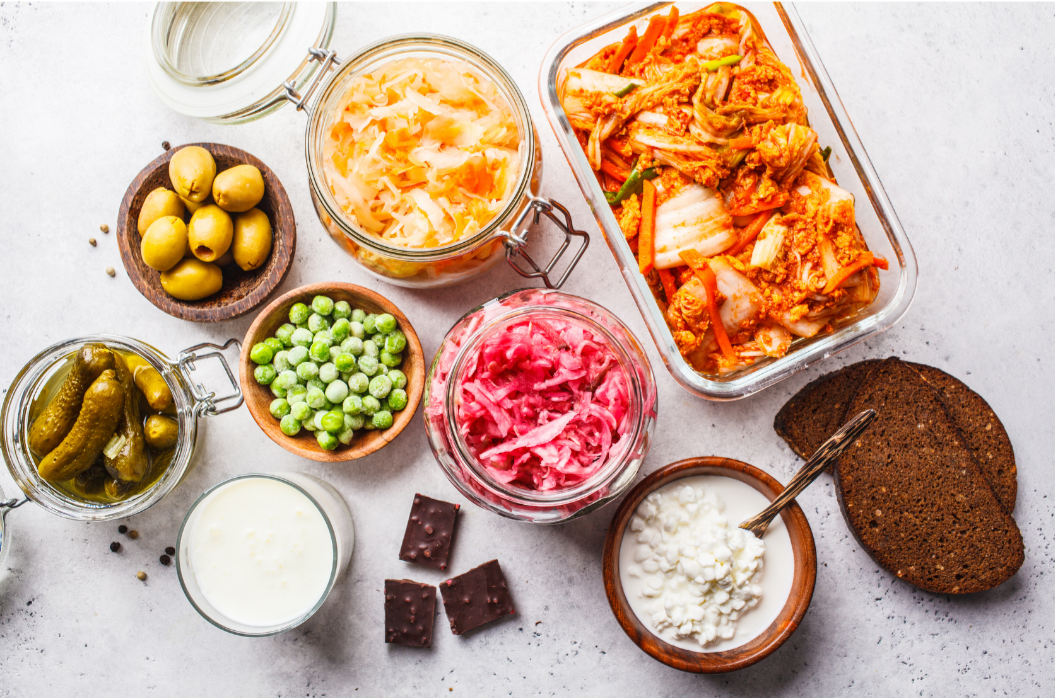
Ramadan Fasting & Your Gut
Fasting gives the digestive system a temporary rest period, which may support gut motility and insulin sensitivity. Research on time-restricted eating suggests that structured fasting windows can encourage beneficial changes in the gut microbiome and activate cellular repair processes such as autophagy.
However, the benefits of fasting depend largely on how you break your fast and what you eat between Iftar and Suhoor. Overloading the gut with heavy, fried, or sugary foods can lead to bloating, acid reflux, fatigue, and blood sugar fluctuations. A slower, more intentional reintroduction of food allows digestion to resume more comfortably and efficiently.
The Microbiome Matters
Your gut microbiome — the trillions of microorganisms living in the digestive tract — plays an essential role in digestion, immune function, inflammation regulation, and metabolic health. One of the most evidence-supported ways to nourish it is by increasing plant diversity.
Studies suggest that individuals who consume 30 or more different plant foods per week tend to have a more diverse and resilient microbiome. This includes vegetables, fruits, legumes, whole grains, nuts, seeds, herbs, and spices. Each plant provides unique fibers and polyphenols that feed beneficial bacteria and support the production of short-chain fatty acids, which help maintain the integrity of the gut lining.

Smart Iftar & Suhoor Strategies
Breaking your fast gently can reduce digestive stress. Starting with water and dates, followed by soup or broth, prepares digestive enzymes and stomach acid for the main meal. A balanced plate that includes fiber, protein, healthy fats, and complex carbohydrates helps maintain blood sugar balance and sustained energy.
Suhoor plays a key role in stabilizing hunger hormones and preventing daytime fatigue. Combining protein, fiber, and healthy fats — such as oats with seeds, yogurt with nuts, or eggs with whole grains — supports steady energy release and digestive comfort throughout the fasting period.
Hydration, Sleep & Circadian Rhythm
Dehydration is a common cause of headaches, constipation, and low energy during Ramadan. Including hydrating foods such as soups, yogurt, fruits, and vegetables between Iftar and Suhoor supports overall fluid balance.
Sleep disruption can also affect digestion and appetite regulation. Late meals and increased screen exposure may interfere with circadian rhythm, which plays an important role in metabolic health. Protecting sleep quality can significantly improve both gut function and energy levels.

A Time for Renewal
Ramadan is not only about fasting; it is about intention and mindful nourishment. When approached with care, it can become a time of renewal for both body and mind. Supporting your gut health during Ramadan may create lasting benefits that extend well beyond the month itself.
If you are experiencing digestive discomfort, fatigue, or blood sugar instability during fasting, personalized nutrition support can make a meaningful difference. Our Lead Clinical Dietitian, Sedra Jundi, at The Flow Space is available for one-to-one consultations to help you optimize gut health and metabolic balance, during Ramadan as well as after.

Recent Posts
Posted In Flow Team, General Health
Posted On 21 February 2026