The Flow Space

Redefining Longevity: It’s About Quality, Not Just Quantity.

It’s a word that’s getting thrown around more and more these days – on podcasts, at wellness seminars, in fitness classes and health blogs, even diets are promising to increase your days on Earth. Everyone seems to be chasing ‘it’. But what exactly does longevity mean? What is it that we’re all desperately trying so hard to achieve, reclaim or maybe even just hold onto?

When we talk about longevity, most people imagine longer lives, having more years, more birthdays and more rotations around the sun. But often, that vision comes with an unspoken fear: what if those extra years aren’t good ones? What if they’re filled with disease, dependence, and a slow or painful decline till the end? Because let’s be honest, it’s a reality we’ve all witnessed, even if we prefer not to talk about it. And maybe that’s exactly why we need to.

Longevity shouldn’t just be about quantity, about living longer – it should be about quality, living better. Staying vibrant, functional, and fulfilled for as long as possible. It’s not simply about the years you add but rather what you get to do with them. 

Lifespan vs. Healthspan: The Two Sides of The Longevity Coin

Lifespan is simple: it’s the number of years from birth to death. Thanks to advances in medicine, sanitation, and technology, average lifespans have increased dramatically over the past century. Evidence based studies have shown that people who perform regular exercise live about 3–7 years longer. Other studies have found that short sleepers (typically <6 hours per night) are at risk of a 1-3 years shorter lifespan.

But there’s a catch: living for longer doesn’t automatically equate to a better life.
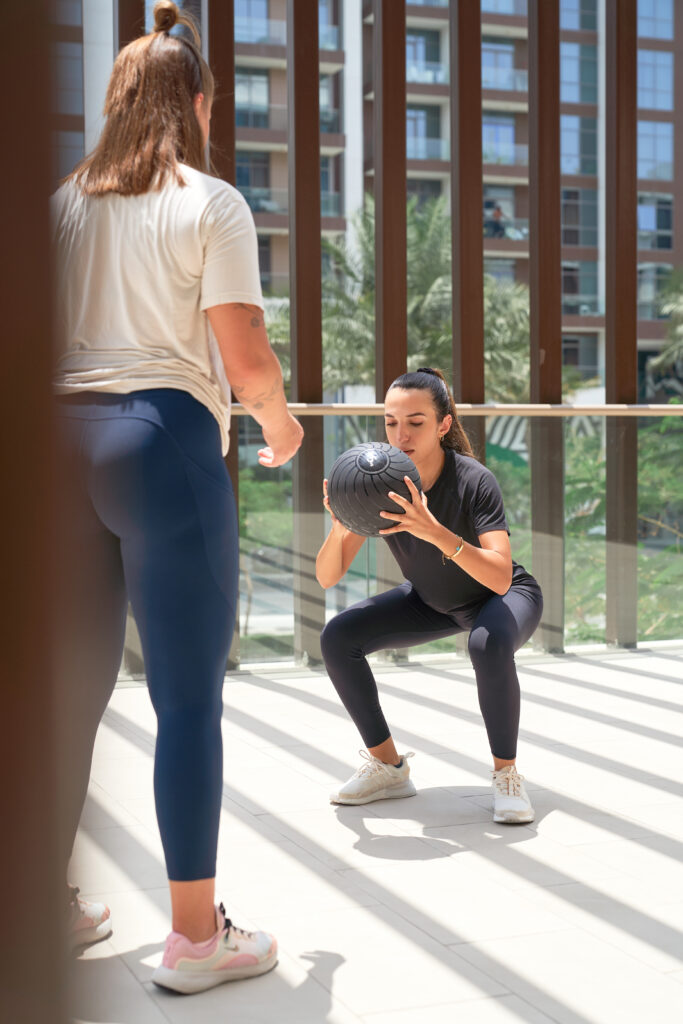
That’s where healthspan comes in. Healthspan is the number of years you live in good health, being physically able, mentally competent, emotionally strong, and free from major chronic disease. Having the ability to exercise with a body that is strong, mobile, flexible, and free from any pain, injury, or limitations. It also means waking up from your nighttime shut-eye feeling refreshed, thinking clearly, having stable moods, better immunity, and recovering faster from training. 

If lifespan is the length of your life, think of ‘healthspan’ as being the depth of it.

So, here’s a question for you: Would you rather have 100 years of a life where the last 30 are spent battling illness.. Or 85 years where you’re sharp, active, independent, and living the life you always envisioned you would, right until the end?

The Million Dollar Question: What Drives a Long, High-Quality Life?

In our pursuit of longevity, it’s crucial to understand that our journey is about optimizing every aspect of our health so we can live all these extra years fully.
  1. Physical Function: The Foundation of a Long, Capable Life
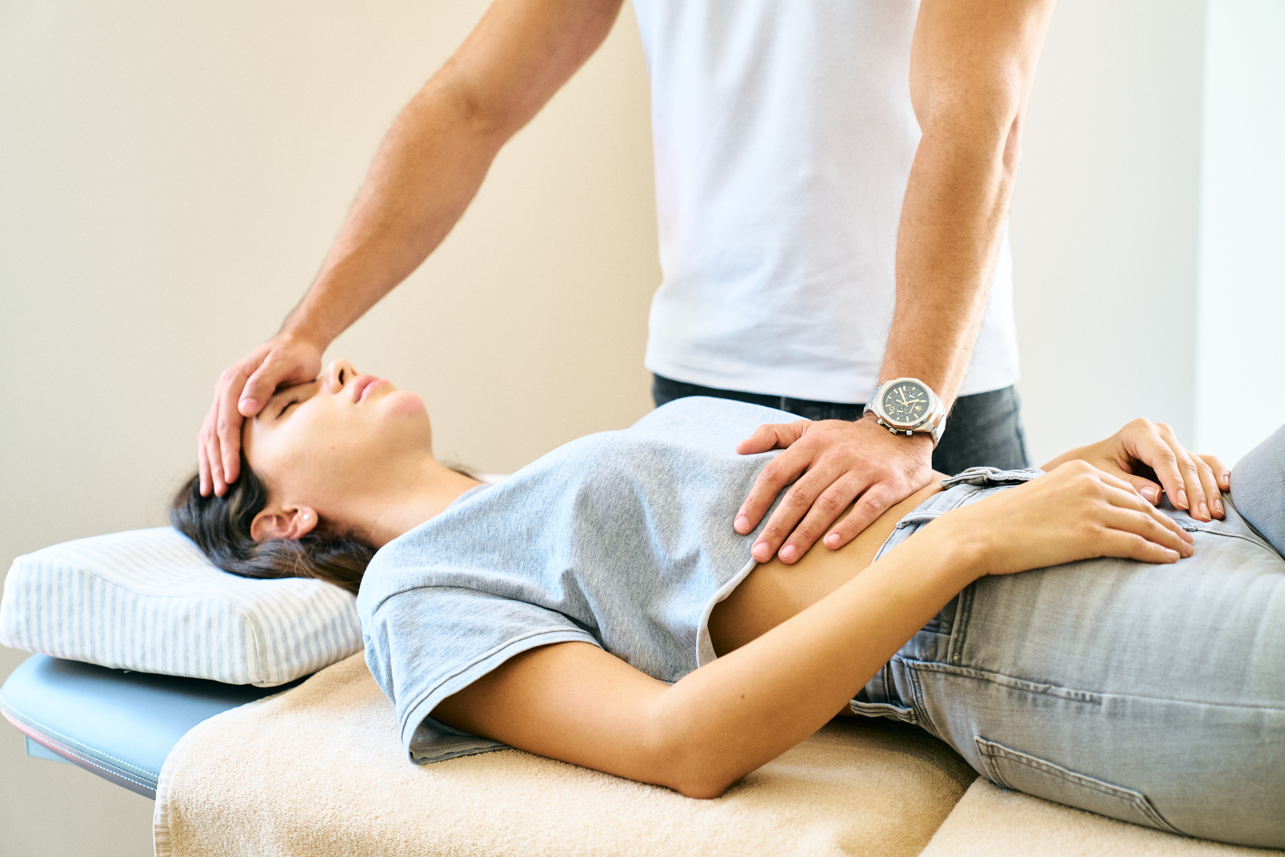
    Physical function, your ability to move well, perform daily tasks, and live independently, is at the heart of that. A strong, mobile, and pain-free body doesn’t just let you do more, it protects you from decline. Getting up off the floor, lifting a suitcase overhead, or taking a long walk without tiring out, may all seem like simple, mundane activities, but these are true markers of vitality. They’re also predictors of longevity. As we age, muscle mass, flexibility, coordination, and balance naturally decline, increasing risk of falls, injuries, and the loss of doing things by and for ourselves. With the correct training, you’re not just preventing problems, you’re expanding your health span. You’re giving your future self the precious gift of autonomy, which to some might be worth more than anything else.
  1. Cognitive Health: Staying Sharp to Stay Engaged
    A long health span depends on your brain working just as well as your body. Cognitive decline can start subtly, like standing in the middle of the kitchen and forgetting why you even walked in, but its consequences are profound. Protecting your mental faculties, such as your memory, attention, learning ability, and decision-making, is central to maintaining independence and quality of life. But cognitive, or ‘brain’ health isn’t just about doing crosswords or solving rubix cubes. Sleep, nutrition, physical activity, and social connection all have powerful effects on cognition. Movement increases blood flow to the brain, sleep consolidates memory, and meaningful relationships stimulate neural networks. Cognitive resilience allows you to keep learning, adapting, and participating fully in life.
  1. Emotional Well-being: The Invisible Backbone of Healthspan
    Often overlooked, emotional well-being is one of the most important determinants of a long and fulfilling health span. Chronic stress, loneliness and lack of purpose don’t just impact mood, they can accelerate aging and increase the risk of various chronic diseases. Conversely, strong relationships, a sense of meaning and the ability to find joy in any and all things, have protective effects on both the brain and body. They influence everything from hormone levels to immune function to heart health. Tenacity, optimism, and emotional balance make a tangible difference in how we experience life and aging.

The Real Goal: Prolonging Vitality

The ideal scenario: to live with strength, clarity, and independence for as long as possible, with only a brief decline toward the very end. Prolonging vitality by minimizing the gap between the end of your health span and the end of your lifespan. Our aim should never be to just stretch life out; we should aim to shift vitality further along the timeline and as far into older age as we can. That’s the sweet spot: a life that’s long and full of energy, meaning, and joy.

Modern healthcare has done a great job at learning how to prevent or delay death, but in the process, forgot how to preserve life. It focuses on treating diseases instead of promoting health, resulting in a generation of people who survive longer, but not necessarily better. 
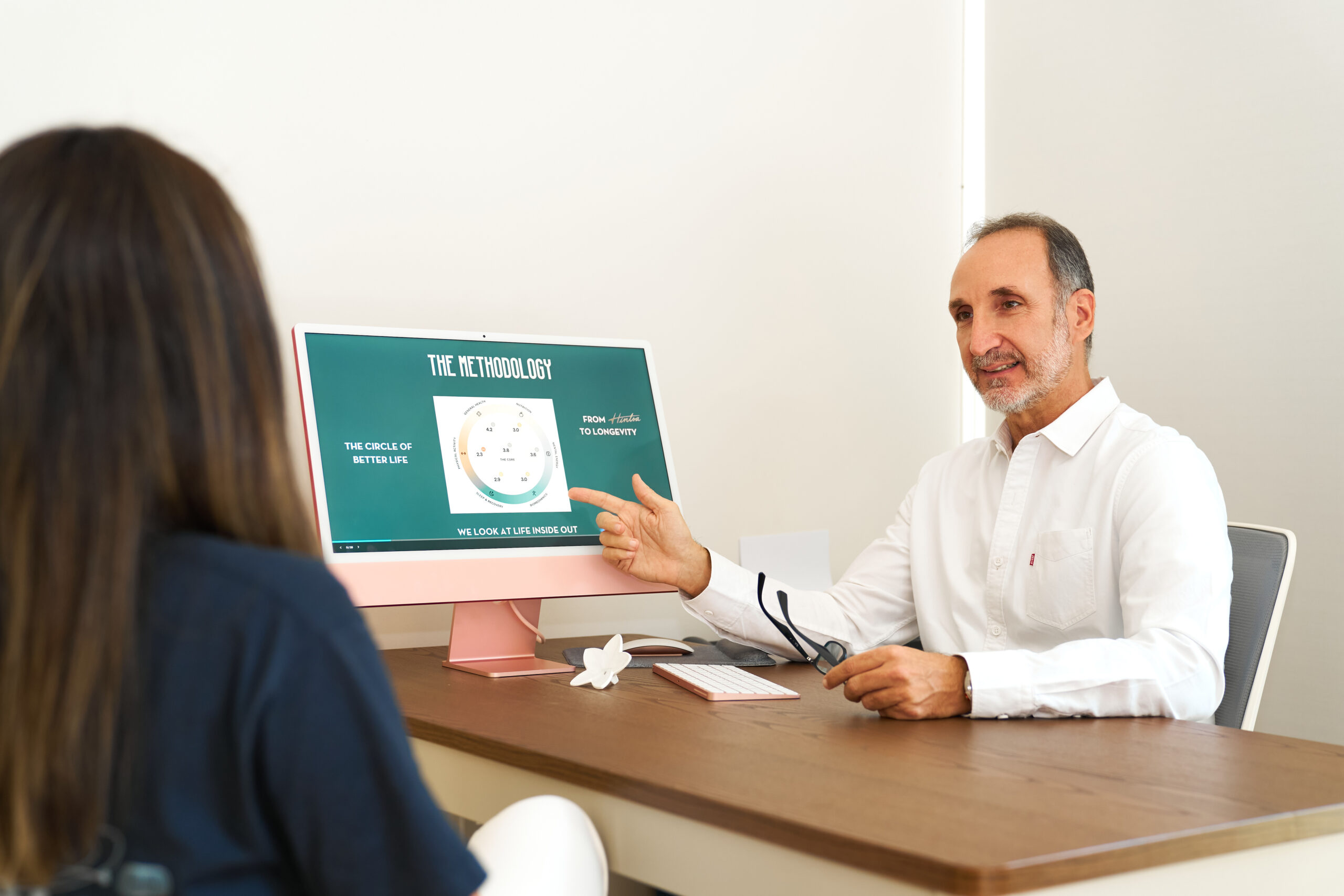
The Flow Space Intervention

At Flow Space Wellness Polyclinic in Dubai Hills, it is our mission, our duty, but also our desire, to help you preserve the three essential pillars of a long, high-quality life, as mentioned above: 

  1. Physical Function – Our services address injury prevention, rehabilitation, and long-term movement health through:
    Sports Physiotherapy (injury assessment, post-surgical rehab, gait analysis)
    Personal Training (strength, mobility, body composition analysis, VALD performance assessment)
    Sports Medicine (VO2 Max, RMR, ECG stress testing, intra-articular injections, PRP)
  2. Cognitive Health – We support sharper thinking, better memory, and mental clarity through services that nourish the brain and body, such as:
    Integrated & General Medicine (blood testing, food intolerance testing, genetic testing)
    Holistic Therapy (nervous system regulation, guided meditation, lymphatic drainage)
    Performance & Lifestyle Coaching (personalized health plans, sleep optimization)
    VO2 Max & RMR testing (to enhance oxygen efficiency and brain performance)
  3. Emotional Wellbeing – Our therapies help you reset, reconnect and relax, with:
    Manual Therapy & Holistic Treatments (Japanese Ito-Thermie, leg compression)
    Mind-Body Programs (self-hypnosis, guided meditation, sound healing)
    Women’s Health (pregnancy & postpartum support, pelvic floor therapy)
In the End: Longevity Is About Outliving Your Limits

Vicki Corona said, “Life is not measured by the number of breaths we take, but by the moments that take our breath away.” If this is true, then Longevity is certainly more than just a number, it’s a way of living. It’s not just about adding years to your life, but life to your years. 

When you protect, nourish and nurture all of yourself – your body, mind, spirit as well as your relationships, you learn how to longer, but more importantly – better. That’s the kind of longevity worth pursuing. Let’s pursue it together.


The Silent Power Hour: How Sleep and Bodywork Quietly Restore You

We often think of sleep as the reward we give ourselves at the end of a long day. But what if that story is all wrong? What if sleep isn’t the final chapter, but the opening ritual to your deepest healing? Imagine if sleep wasn’t just rest, but a sacred cleanse. A nightly ceremony where your body rebalances hormones, purifies toxins, and gives your organs the chance to breathe, repair, and begin again. At The Flow Space, everything we offer is rooted in helping the body remember how to get there. 

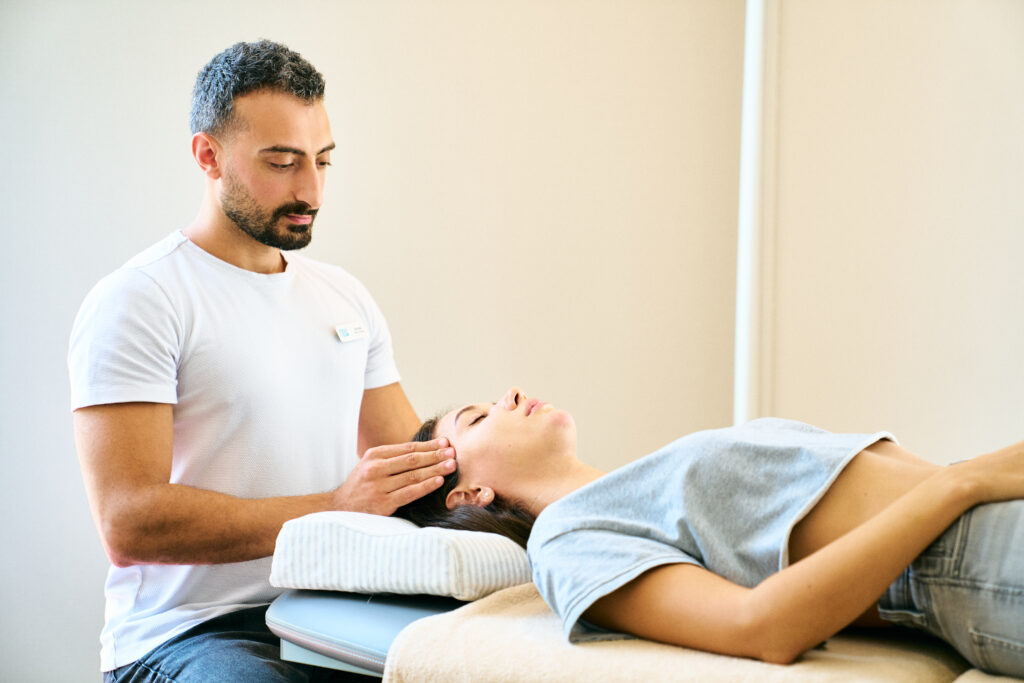
Through a blend of manual therapy and intuitive energy work, a holistic practitioner such as myself, Elie Azzi, can support this journey back to rest, not just to ease tension, but to reset your entire inner landscape. Because the kind of sleep that changes you, starts long before you close your eyes… 

It begins the moment your body feels safe enough to let go.

Sleep Is Not Passive – It’s Active Recovery

We spend nearly a third of our lives asleep, and for good reason. Sleep isn’t the body shutting down. It’s the body turning inward, becoming deeply alive in ways we can’t see.

When you rest, something magical happens:

  • Muscle fibers repair the wear and tear from your day
  • Hormones like cortisol, melatonin, and growth hormone get balanced
  • Your organs get a chance to detoxify and repair, clearing out toxins accumulated throughout the day
  • Your brain flushes out toxins through a self-cleaning system more powerful than any detox juice
  • Emotional stress is processed and your mood regulated
  • Your immune system resets and strengthens

If you’re training hard, dealing with a stressful work environment, navigating hormonal shifts, or simply trying to feel more connected and alive in your body again, all your efforts can be quickly sabotaged by poor sleep.

Here’s the bottom line: Modern life disrupts sleep. We live in an overstimulated world: stress, endless screens, and schedules that don’t respect our natural rhythms bombard us daily. Even when we finally get to bed, our nervous systems haven’t caught up. The lights go off, but inside, many of us remain switched “on,” stuck in fight-or-flight mode, and no one can truly rest like that.

That’s exactly where bodywork and manual therapy step in to make a real difference.

The Missing Link: How Manual Therapy Can Help You Sleep Better

Your nervous system isn’t just in your brain; it runs throughout your entire body. Chronic tension, tight fascia, stuck joints, and postural imbalances constantly send stress signals to your brain. If these signals don’t quiet down, your body struggles to shift into the parasympathetic state, also known as the “rest and digest” mode, that’s essential for deep, restorative sleep. Manual therapy and integrative bodywork offer potential remedies for just this.

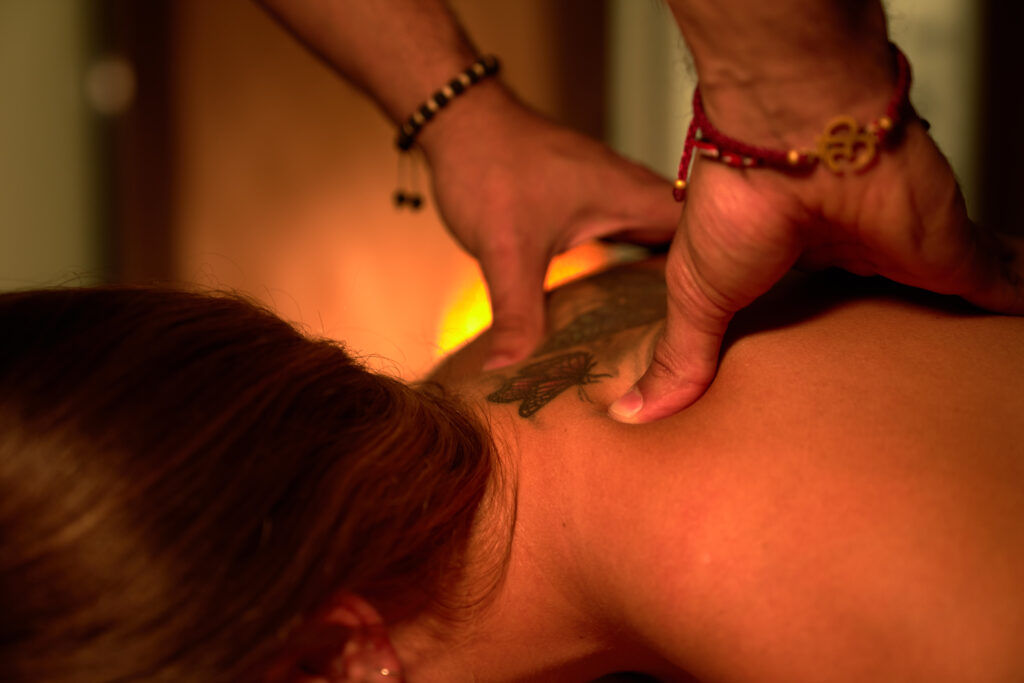
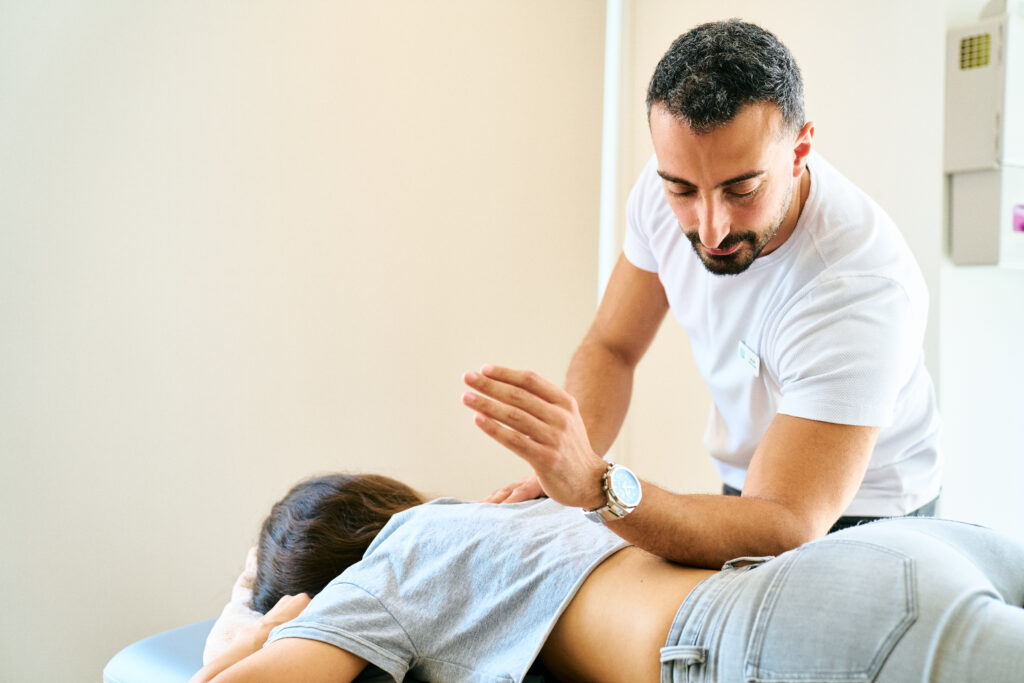
At The Flow Space, I practice as a manual therapist and holistic bodyworker, combining scientific knowledge, spiritual insights, and emotional awareness to work with your whole system; nervous, fascial, muscular, and the energetic, to release long-held tension and recalibrate your body’s ability to rest. FULLY.

My approach focuses on:

  • Freeing tight fascia to restore smooth movement and ease throughout your body
  • Supporting your organs through gentle visceral manipulation to enhance detox and repair
  • Calming your nervous system by targeting key points to reduce inflammation and stress
  • Balancing your energy centers to improve circulation of life force and promote overall wellbeing

This combination helps your body feel safe, relaxed, and ready for the deep, restorative sleep it needs.

The Fascia-Sleep Connection

Fascia is the body’s invisible web, a network of connective tissue that wraps around your muscles, organs, and nerves. When it’s flexible and moving well, you feel light and free. But when fascia tightens or locks up from stress, injury, or bad posture, it drags your body. 

This tension can:

  • Keep you restless and uncomfortable, tossing and turning all night
  • Trigger flare-ups of pain that make rest nearly impossible
  • Throw your nervous system off balance, blocking true relaxation
  • Cause shallow breathing, stopping your body from fully recharging

Releasing that tension through skilled manual therapy doesn’t just improve how your body feels, it signals your nervous system that it’s safe to let go and drift into deep, healing sleep.

The result? You fall asleep faster, stay asleep longer, wake up feeling refreshed, and carry less anxiety and physical stress into your day. It’s simple: when your fascia is free, your whole body relaxes, and that’s the foundation of truly restorative sleep.

How to Make the Most of Your Power Hour

While manual therapy is a powerful way to reset your body, pairing it with these simple, science-backed strategies can take your sleep, and your recovery, to the next level:

  1. Longer Exhales = Better Sleep: Breathing with longer out-breaths than in-breaths gently raises CO₂ levels, which signals safety to your nervous system. This helps slow the heart rate and calm the mind, making it easier to fall asleep.

  2. Cold Exposure… At the Right Time: While cold plunges are energizing, brief cold exposure (like a cool shower) 1–2 hours before bed can actually support deeper sleep. It helps drop your core body temperature, a natural trigger for melatonin release.

  3. Fascia Stimulation Before Bed: Light rolling or self-massage using a soft ball or fascia tool (especially on the feet, hips, or upper back) activates the parasympathetic system. It’s like sending a calming signal through your entire body

  4. Body Mapping for Sleep Signals: Spend 2 minutes scanning your body in bed, moving your awareness from head to toe. This not only helps you detect and release tension but also increases mind-body connection, making your body feel “seen” and safe to rest.

  5. Blue Light Detox: You’ve heard it before, but instead of just turning off screens, switch your lighting to amber tones or red hues 2 hours before bed. This supports melatonin production without stimulating your visual cortex.

  6. Eat Earlier, Sleep Deeper: Aim to finish your last meal 2.5–3 hours before bedtime. A calmer digestive system means your body can shift into full recovery mode instead of processing food through the night.

The Best Recovery Happens in the Dark

You can eat clean, train smart, take the right supplements… and still feel like something’s missing.

Because if your body isn’t letting go, and your nervous system is still stuck in high alert, deep healing doesn’t happen… And here at The Flow Space, we like to think that true transformation, whether physical, emotional, or energetic, begins at night.

So, if YOU really want to show up in life with a better sense of strength, clarity, and purpose, it’s time to start prioritizing yourself, and that includes your sleep.  Furthermore, if you need some help getting there, don’t overlook the power of touch, presence, and a professional who truly cares.

Your body knows how to heal, and it wants to be healed. Actually, it deserves it. You just have to give it the conditions to do so.  Visit us at The Flow Space and experience how manual therapy can help you sleep better, feel better, and reconnect with your body.

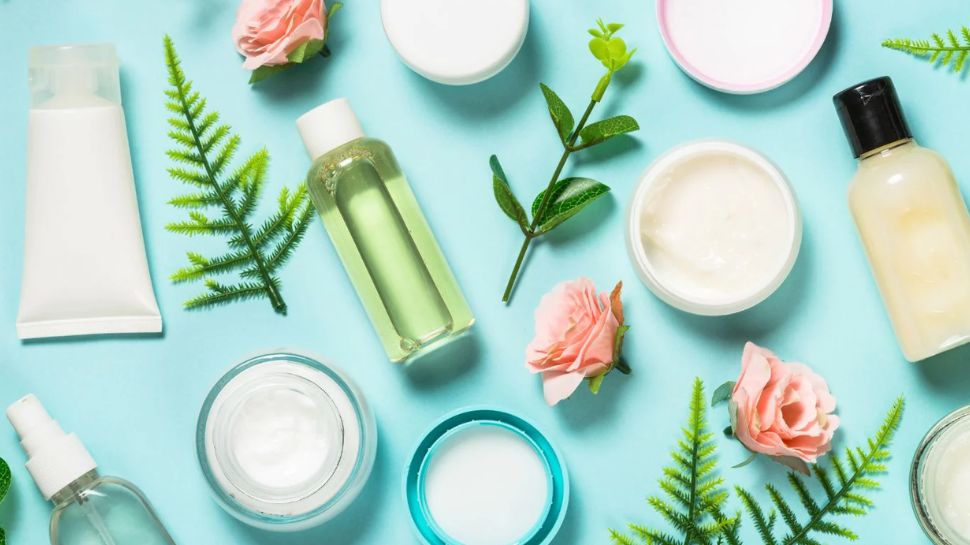
Beneath the Surface: The Real Cost of Everyday Beauty. From the outside in, our products may be doing more harm than good.

We all want to look and feel our best. But what if the very products we trust to care for our skin, hair, and body are quietly doing harm beneath the surface – even when they appear to be doing us the most aesthetic favors?

From your favorite face cream that supposedly evens out skin tone, to the “miracle” shampoo that promises to double your hair volume, many everyday beauty and personal care products contain toxic chemicals linked to serious health issues. And while marketing may convince us these products are safe, or even essential, perhaps we should take a closer look at what we’re really putting on our bodies, for the sake of health, hormones, and long-term well-being.

The Hidden Dangers in Everyday Products

The beauty industry thrives on image and the allure of transformation. But behind many luxurious advertisements and sleek packaging lies a cocktail of chemicals that are certainly not as glamorous as they look or feel. Some of these most common offenders include:

  • Parabens

These synthetic preservatives are used to extend product shelf life, but at what cost? Parabens (like methylparaben and butylparaben) mimic estrogen in the body, leading to hormonal disruptions. They’ve been found in breast cancer tissues and are linked to fertility issues, immune suppression, and reproductive toxicity.

  • Phthalates

Often hiding under the word “fragrance,” phthalates help products stick to your skin or hair. But they’re also hormone disruptors associated with birth defects, obesity, reduced testosterone, infertility, and even cancer.

  • Synthetic Fragrances

Smelling good shouldn’t come with a health warning, but synthetic fragrances often contain hundreds of undisclosed chemicals, including carcinogens and volatile organic compounds (VOCs) that can trigger asthma, allergies, skin irritation, and hormonal imbalance.

  • Heavy Metals

Found in products like lipstick, eyeliner, and foundation, heavy metals such as lead, mercury, and cadmium can be absorbed through the skin or ingested over time. These toxins may accumulate in the body and have been linked to neurological damage, hormonal imbalance, and even organ toxicity

  • Sodium Lauryl Sulfate (SLS)

This common foaming agent strips away natural oils, damaging the skin’s barrier, worsening dryness, and triggering inflammation. It’s also petroleum-based, making it harmful to both your body and the planet.

When Labels Aren’t the Whole Truth

When it comes to beauty and personal care products, things aren’t always as they seem. Words like “natural,” “gentle,” or even “dermatologist tested” can be misleading, and ingredient lists often leave out key details, or mention things we can’t even pronounce.

What’s more, many harmful ingredients can be hidden behind vague or scientific-sounding names, making it difficult for the average consumer to know what they’re really using. And because beauty products don’t always go through the same level of scrutiny as other health-related items, there is often more flexibility in how they are formulated and marketed.

The Cycle of Chemical Dependency

Here’s how the harmful cycle works:

  1. You use a product that promises results. 
  2. With time, you start noticing side effects: dryness, irritation, breakouts, weight gain, hormonal changes.
  3. You try something else, hoping for relief and eventual satisfaction.
  4. The new product contains the same (or worse) toxic ingredients.
  5. The cycle repeats.

So, I guess at this point, the million-dollar question is – How do I break this cycle??

Clean Beauty: Making Safer, Smarter Choices

Clean beauty is not about perfection—it’s about progress. It’s about changing to and choosing products that are safe, non-toxic, and transparent.

What to Look For:

  • No parabens or phthalates
  • No synthetic fragrances
  • No sulfates or formaldehyde
  • No undisclosed chemicals

What to Choose Instead:

When looking for safer alternatives, prioritize products that:

  • Use plant-based or naturally derived ingredients
  • Are free from synthetic fragrances, parabens, phthalates, and sulfates
  • Clearly list their full ingredient breakdown
  • Highlight biodegradable, eco-conscious, and cruelty-free formulations
  • Use gentle surfactants like coconut- or sugar-derived cleansers 

Look for brands that are transparent, prioritize wellness, and align with your personal values, whether that’s sustainability, clean chemistry, or minimalism. You don’t need a massive overhaul, just thoughtful, intentional swaps over time can make a real difference.

The Change Starts with You

Choosing clean beauty is not only a stand for your health, but for your family’s well-being, and a safer, cleaner planet. The beauty industry doesn’t have to be seen as toxic, but real change starts with awareness and action

At The Flow Space, to help identify how these exposures may be affecting your health, our clinic offers Organic Acids Testing (OAT) with our in-house doctor, Dr. Jennifer Kaur. This comprehensive urine test can reveal imbalances related to chemical exposure, nutrient deficiencies, and even how well your body is detoxifying. It’s a powerful tool for anyone looking to better understand the burden of heavy metals on the body, and how it affects certain physiological processes.

Your health isn’t just a number, it’s how you feel, how you move, and how you do life, every single day. At The Flow Space, our goal is to help you understand what’s actually happening in your body, so you can make changes that finally work for you and improve life overall. When you know what’s behind the struggle, you can take control in a way that actually lasts. And we’d like to make sure you never have to figure it out alone. Reach out now!