The Flow Space

Turn Your Setback into a Comeback: Five Strategies to Keep Training While Injured

Injuries can really throw a spanner in the works, and let’s be honest, there’s nothing fun about them. Especially when you’re dealing with a limb you can’t fully use. Imagine having to open a jar with only one hand or climbing stairs with only one leg. I get frustrated just thinking about it! But worst of all – getting injured often means stepping back from making progress and reaching goals… Or does it? 

Just because you’re dealing with an injury, doesn’t mean you have to hit pause on everything. It’s about figuring out how to keep moving forward in a way that works with your body’s current limits. And in the grander scheme of things, learning how to train even through setbacks plays an essential part in what keeps us in the game of life for the long run. Longevity, with regards to health and fitness, isn’t about pushing hard all the time, it’s about adapting, staying consistent, and taking care of your body so you can keep doing what you love, with those you love, in a way that you love, for years to come.
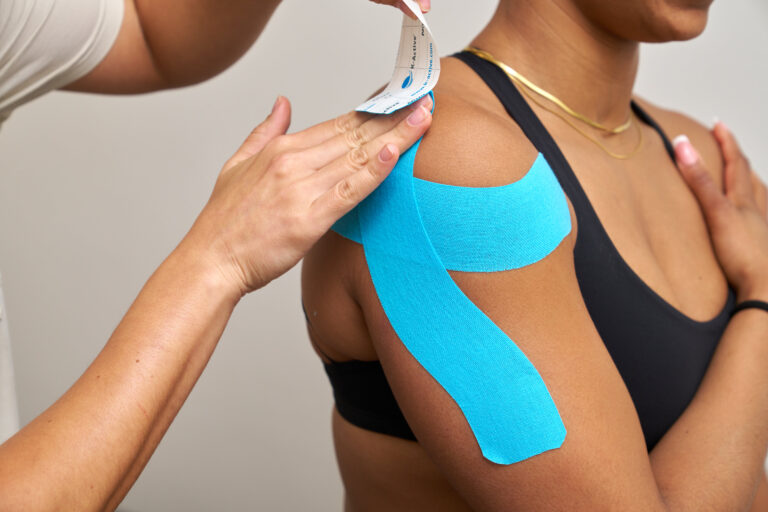
Five Strategies to Keep Training While Injured

Even with an injury, there are still plenty of ways to stay active and keep working towards your goals. 

  1. Adapt your workouts to resemble your regular routine as much as possible
  2. Focus on training the opposite end of your body
  3. Work on strengthening the opposite side of your body
  4. Improve your cardiovascular endurance
  5. Strengthen your core for overall stability

At The Flow Space, we take a multidisciplinary approach, ensuring that training modifications are both safe and effective. As one of the Corrective Exercise Specialists in the gym, I work alongside a team of physiotherapists, chiropractors, and a sports medicine doctor, and together we collaborate to design the best programs for recovery. 
1. Adapt your workouts, but not too much 

One common mistake when injured is completely changing a workout routine. Such a dramatic response is really not necessary. In actual fact, you should try to keep your modified program as close as possible to your usual exercises. Instead of removing certain movements entirely, simply make a few adjustments.

  • Unable to squat? Explore exercises that will reduce the range of motion or pressure, try changing your stance, perhaps incorporate split squats for aching knees, or use a heel wedge for ankle-related issues.
  • Unable to deadlift? Consider rack pulls, using different types of bars, or substituting with hip thrusts and glute bridges that still mimic the same movement patterns.

Isolated movements, non-weight-bearing exercises, and isometric holds can also be included in a modified plan. These can serve as rehabilitation, correction, maintenance and even progression in areas such as strength and power.

2. Focus on the Uninjured Areas 

If one part of your body is injured, the rest can still move and make gains.

  • Upper body injury? Focus on lower body strength.

  • Lower body injury? Shift your attention to upper body development.

Lower Body Training with an Upper Body Injury
  • Equipment that minimizes upper body involvement, such as the seated leg press or seated leg curl to isolate the lower body without needing additional stabilization.
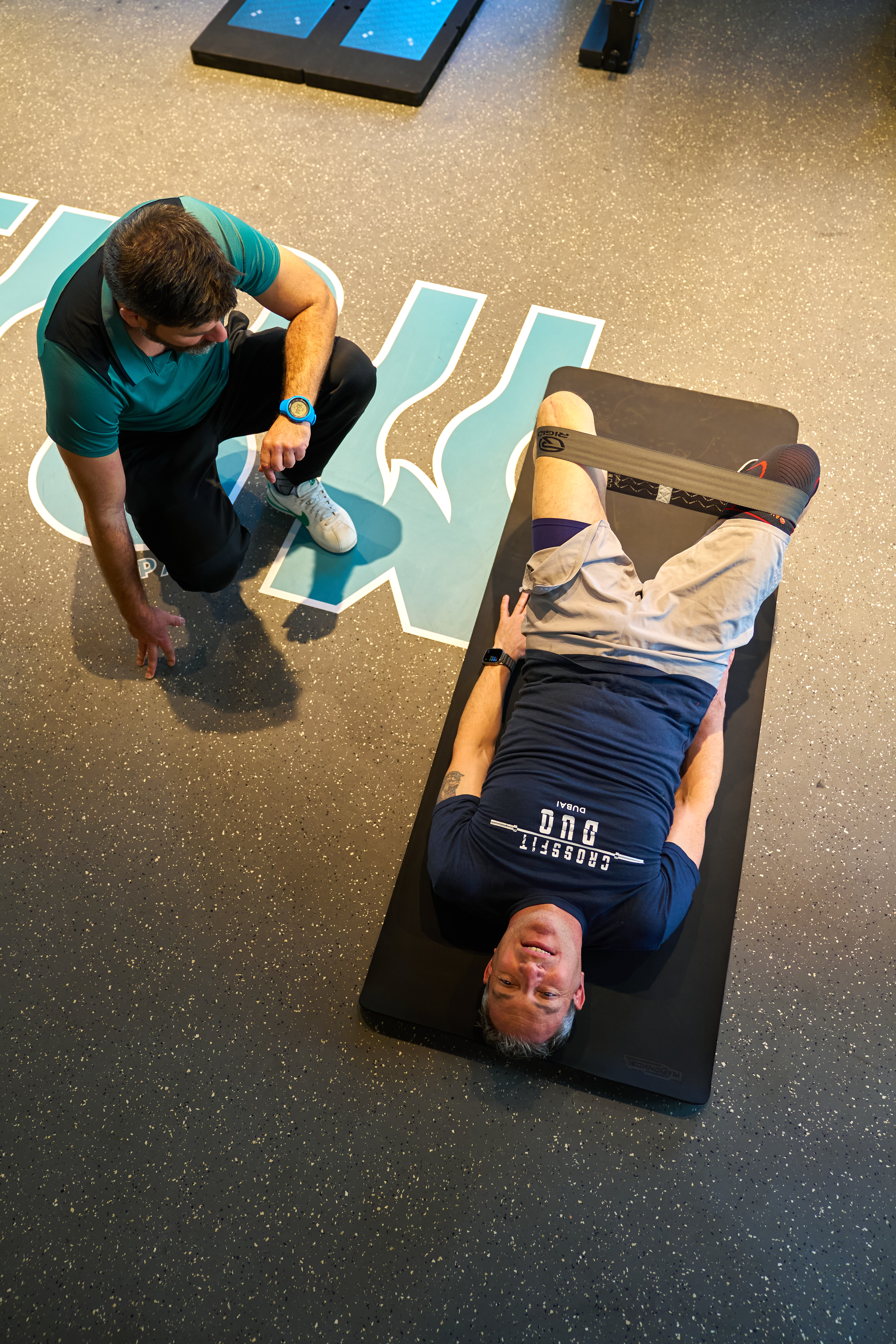
  • Bodyweight exercises such as split squats and step ups, or banded movements such as monster walks, are all perfect for glute activation without upper body load.
  • Isometric exercises such as wall sits or glute bridge holds allow for tension build up with minimal movement required, especially for the upper body.

Upper Body Training with a Lower Body Injury:

  • Seated & Supported Positions, such as seated shoulder press or chest supported rows, which utilizes benches or machines allows the focus on pushing/pulling without stressing injured legs.
  • Half-kneeling or tall-kneeling variations for pressing or rowing also reduce leg involvement while engaging the core and promoting stability and control.
  • Lighter loads, slower tempo, or increased reps can help to maintain challenge in the case where you may not have strong lower body support to lift as heavy.
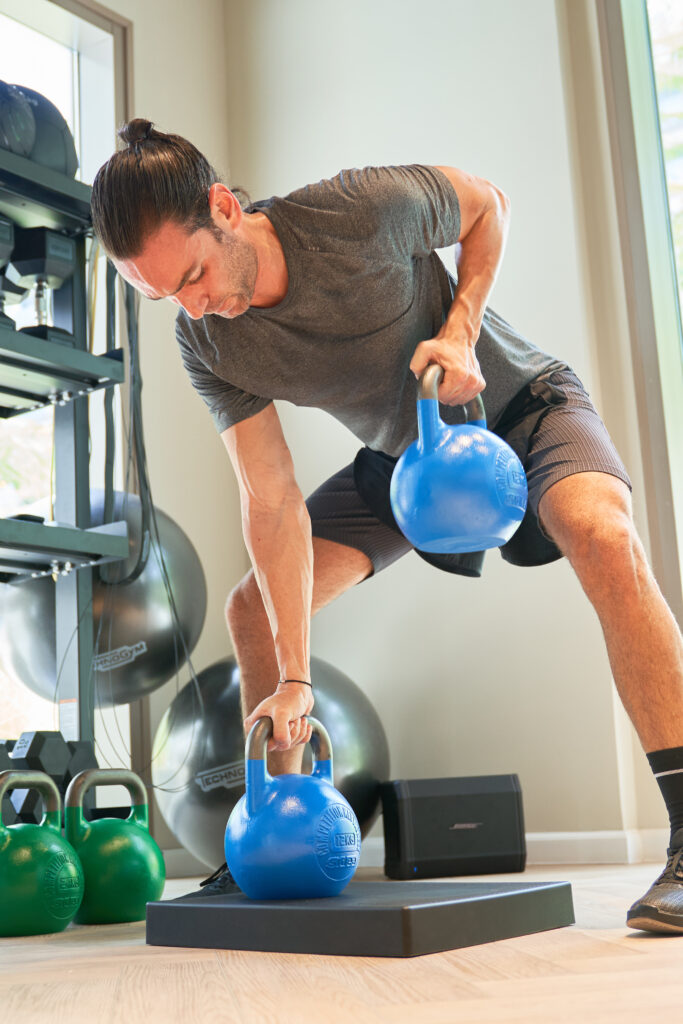
3. Train the Opposite Side of Your Body

The body has an incredible ability known as cross-education, where training one side results in strength gains on the opposite side. This effect is believed to stem from neural adaptations in the brain, making it a powerful tool for staying strong while recovering. To maximize this benefit:

  • Lift heavy – challenging loads create the best neural response.
  • Stay focused – high levels of concentration enhance cross-education effects.
  • Incorporate eccentric movements – slow, controlled lowering phases may enhance strength transfer (time under tension for the win!).

Some effective unilateral exercises include:

  • For upper body: Single-arm bench press, single-arm rows, single-arm Arnold press
  • For lower body: Single-leg Romanian deadlifts, single-leg squats, single-leg bridges 
4. Maintain Aerobic Fitness

If your usual cardio routine isn’t possible, there are still ways to maintain or even improve your endurance with certain modifications:

  • Stationary options: Bikes and cross trainers are excellent low-impact choices.
  • Boxing drills: If bouncing is an issue, seated boxing can be a safer alternative.
  • Battle ropes: Can be performed kneeling, seated, or on one leg.
  • Sled drags using a rope: Ideal for lower body injuries, though assistance may be needed between sets.
5. Strengthen Your Core

Regardless of the injury, most people can find some form of core training that works for them. The key is to experiment with different exercises and modifications. Choose those that don’t aggravate your injury and use positions (like seated, supine, or supported) that feel safe and stable.

  • If you have a lower body injury: Stick to movements that don’t require standing, leg movement, or lower body stabilization. These include Dead Bugs, Heel Taps, and Modified Planks.
  • If you have an upper body injury: You’ll want to minimize load on the arms, shoulders, or wrists. Opt for exercises such as Marching Bridges, Banded Paloff Press, and Leg Lowering Variations.

So if you found yourself neglecting training your midsection, now is the perfect time to change that.

Turn Setbacks into Opportunities

No matter what injury you’re dealing with, there are always ways to continue training, it may just look a little different than it did before. So, instead of focusing on what you can’t do, focus on what you CAN, and use this time as an opportunity to improve weaknesses and come back stronger and wiser than before. This mindset doesn’t just support short-term recovery; it’s an integral part of building long-term resilience and longevity, helping you stay in the game for life, not just for now.

If you’re looking for guidance in adapting your workouts while recovering from an injury, consulting with a knowledgeable coach, sports medicine doctor or physiotherapist can help you stay on track safely. At The Flow Space, we take a collaborative approach to injury recovery, ensuring you get the best possible outcomes while maintaining progress in your training. We’re ready to help you when you’re ready to help yourself.
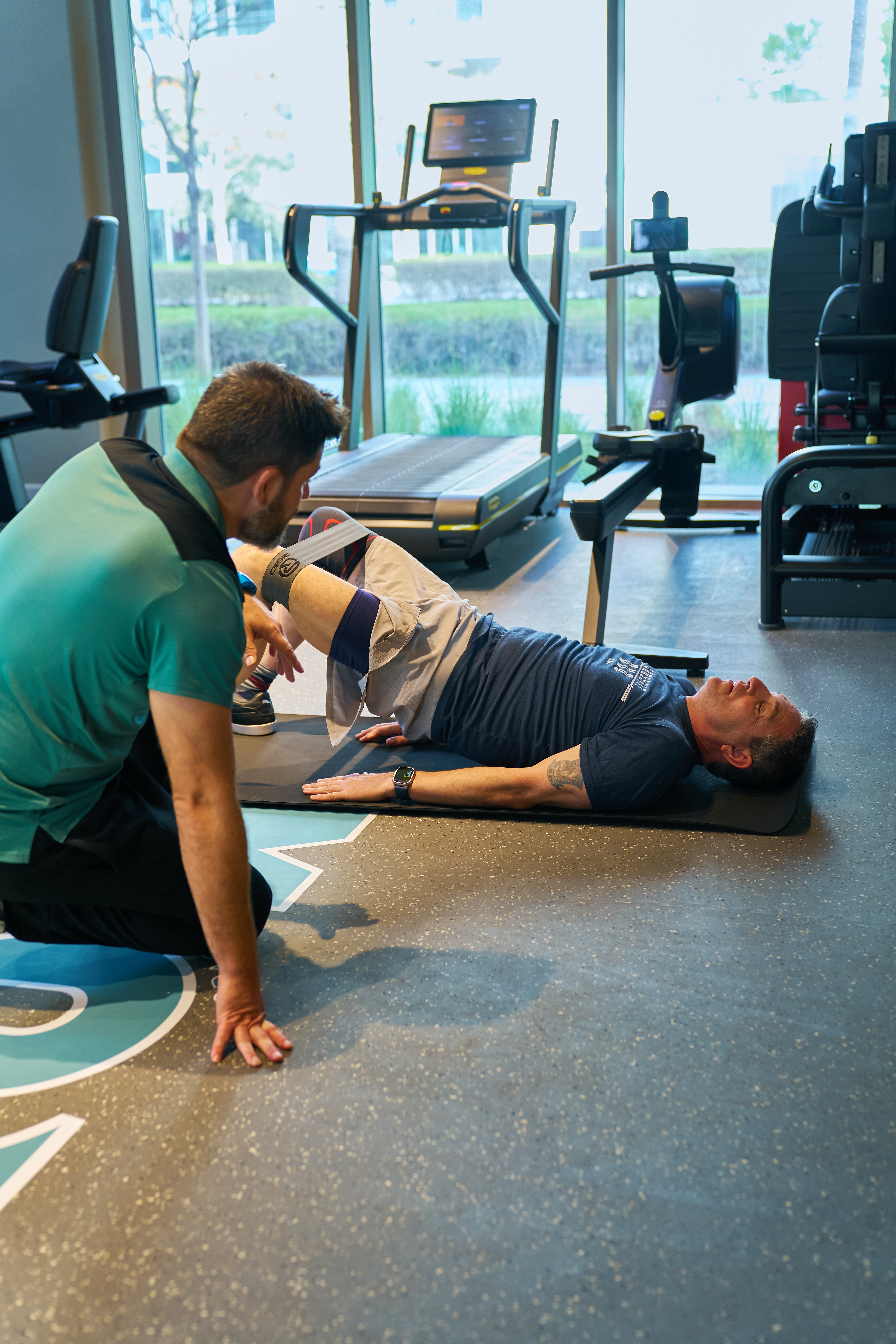
Teamwork makes the dream work

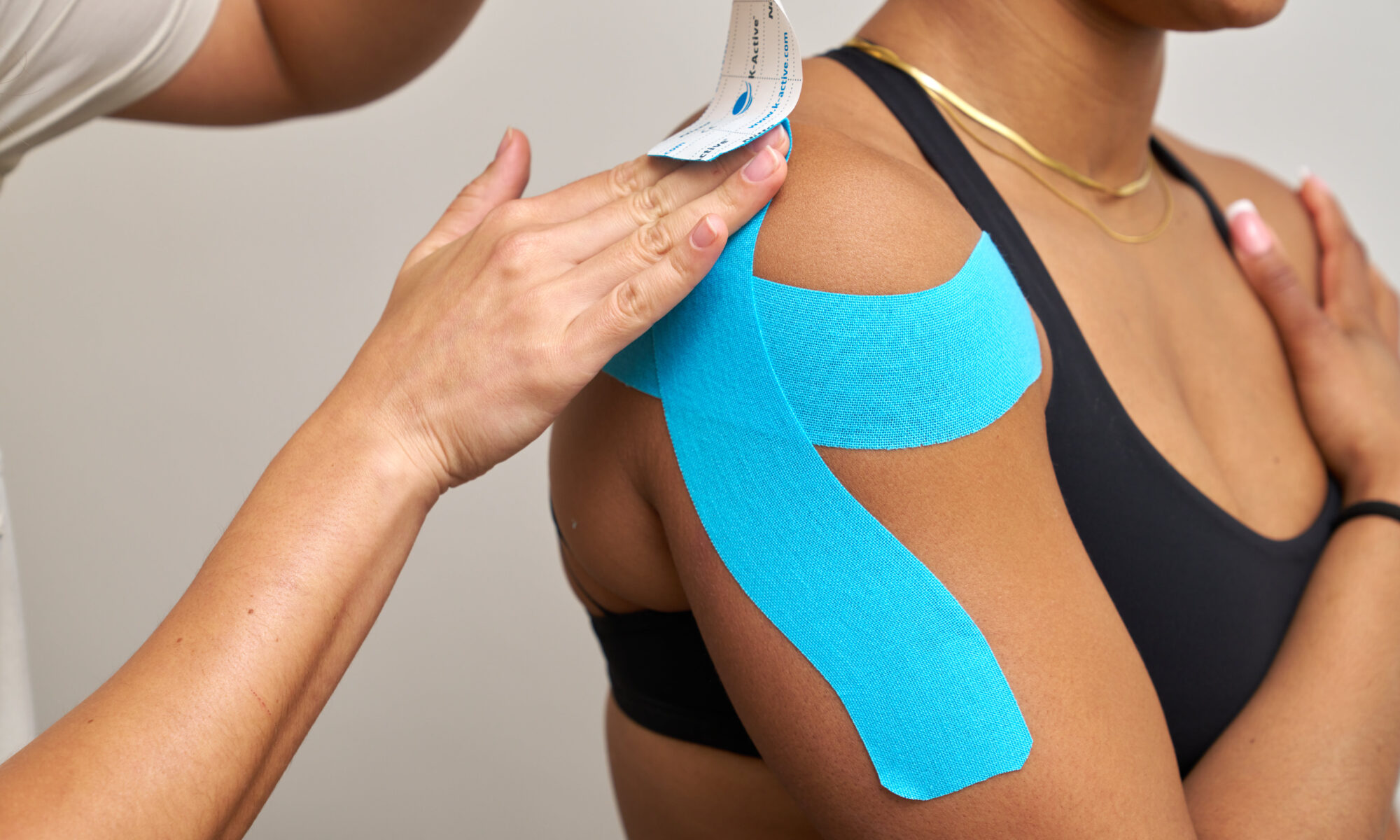
Personal training is much more effective when you have the support of Sport Medicine, Physiotherapy, General Medicine and Nursing. These departments can offer valuable insights into your client’s needs that may fall outside any one department’s scope of practise.

Sharing information from different perspectives in a multi-disciplinary team setting all under the same roof – with the soul purpose of assisting a client in returning to an active lifetyle from various scientific input and specialisations – goes beyond simple personal training sciences and effectiveness.

I often meet clients who are keen to lose some weight, improve aesthetically while training with back, knee and shoulder pain and have had the privelege of assisting many of these clients return back to an active lifetyle and manage their pain. But my reach used to be limited in terms of blood test markers, gut biome impacts, food intolerance and inflammation effects.…..until I started training my clients at The Flow Space.

I’m now able to cater for my client’s needs with the input and expertise of all our health departments. This is where I am now seeing a long standing client of mine named Will.

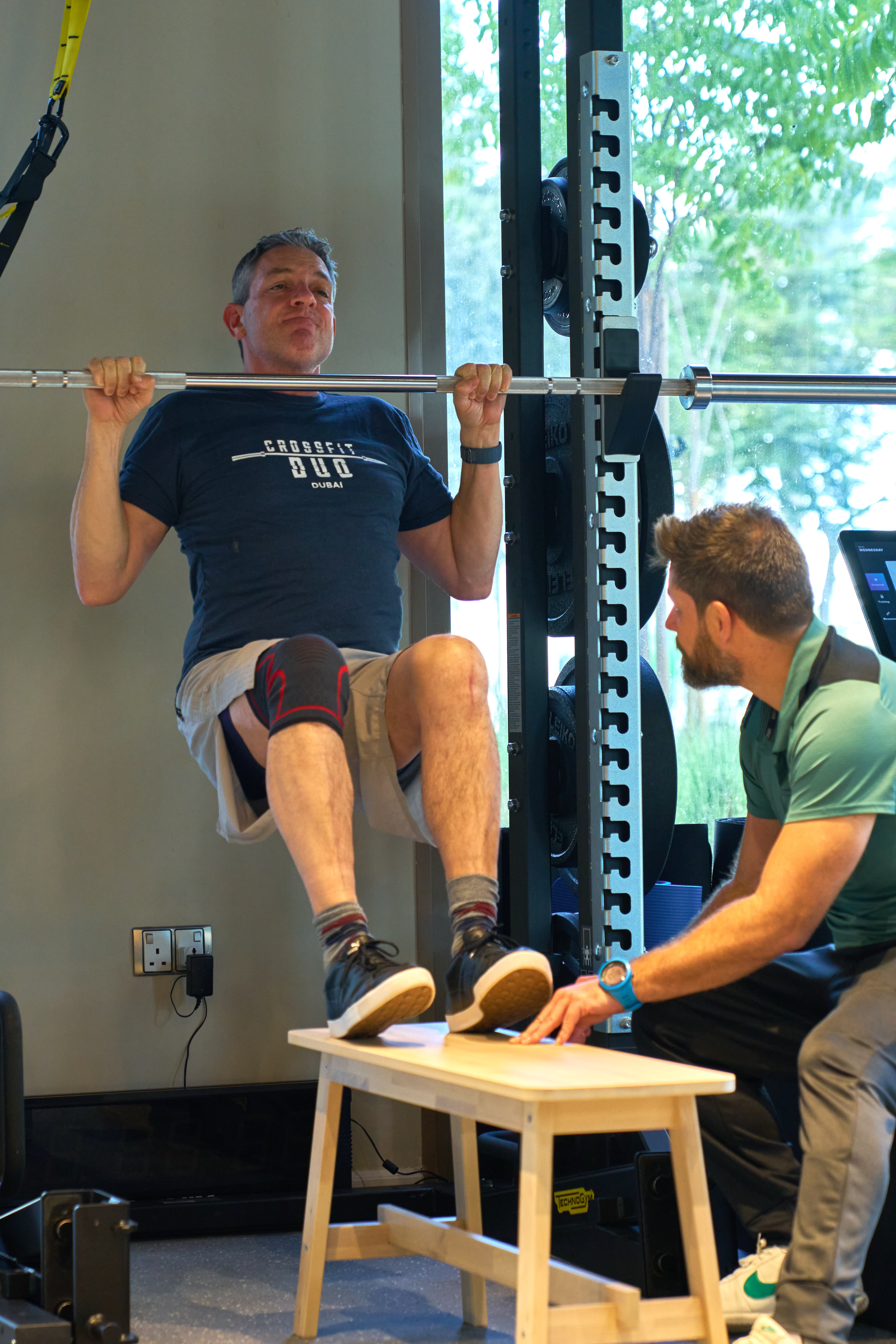
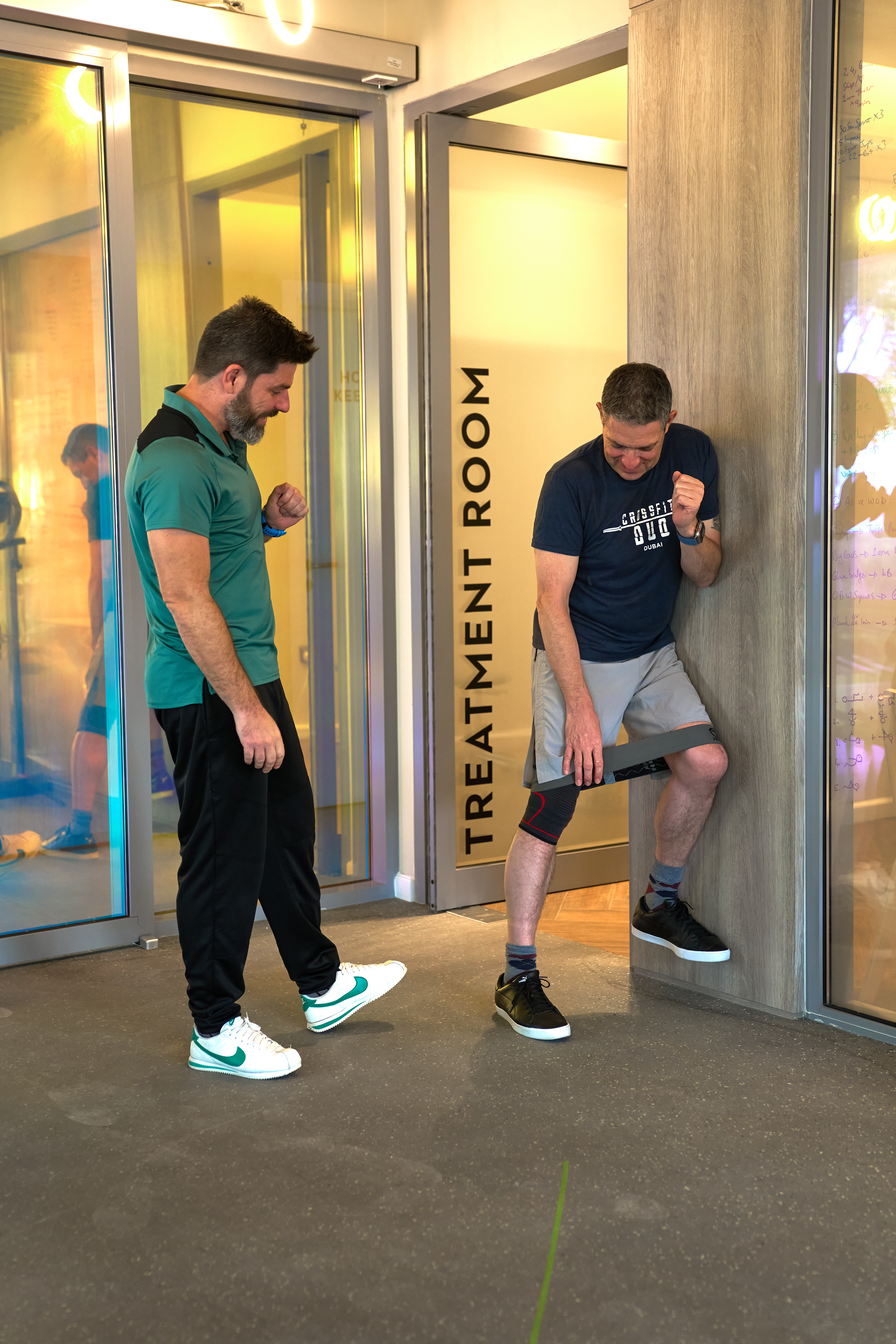
I met Will around 10 years ago in a CrossFit gym where I started my coaching career in Dubai. Will was wearing his Arsenal football shirt, like he still does a decade later. He was participating in CrossFit for the social aspect of things, to gain strength and to increase his overall health. From there he joined a semi-private body transformation group we were running in JLT, as he needed assistance in lower back rehab and improve his overall movement capacity. Now 10 years since that sunny morning in the Crossfit class, Will is training to increase his knee stability due to localised arthritis, while focusing on maintaining a healthy body weight.

Will is a hard working dad in Dubai and tries his best like so many of us to juggle his health, training, lifestyle patterns while providing for his family. I make a point of making this PT session with me the most enjoyable hour of his day. We always discuss football and how this may be Arsenal’s season. We discuss how hard it is to find Oasis tickets and how we’ve been lucky to have managed a bbq in June this year. There is nothing quite like British humour with some spicy South African sarcasm to make for a colourful afternoon.

Over the past decade Will’s training has switched from Crossfit training and back rehab to knee arthritis and weight management. His training needs have changed over the years and he now needs more of a medical insight.

First we had to re-eastablish the movement paterns in all his major joint functions while not overloading the affected knee. We later incorporated a slight fuller-depth squat positions to further activate the gluteus and still maintain the most important VMO-affected angles and activities to support his knees, while also maintaining all the strength he has accumulated over the decades. Will just wants to play ball with his children and I need to give him the strength to do so. Bulletproofing his system!

It’s a challenge for any trainer to instruct any routine that is safe for arthritis cases, while still enabling enough intensity and stimulation for the benefits of strength training. There are constant adaptations, back and forth communication and checking-in with clients on a daily basis to document the effects of the training and monitor the recovery. Often the training plan needs adjustments based on very valuable input from the physio departments, and checkups and advice from the Sport medicine department.

It’s the tinkering, adaptations and progression in his training along with clear and solid communication between us that have triggered the greatest progress. There is a lot of prep work, feedback from Will and tinkering to adjust workouts based on how he feels after a long day at the office, where his next destination will be for work and what equipment they will have available at all. Constant communication, online programming and assistance along with a 5 min pre-session chat every afternoon. The importance of support and communication cannot be overestimated.

As his personal trainer, I can only do the best work when he’s in the gym with me. When he travels to Canada and England every month, things do become tricky, and this is where I need additional input as his coach. And this is where a multi-disciplinary team is so important.

I must convey my thanks to great insights from the outstanding crew at The Flow Space Clinic in Dubai Hills. With valuable input from Dr. Gian Danielle in Sport Medicine, Dr Jennifer Kaur in General Medicine and Malek Ounsi in Physiotherapy, we’ve all assisted Will in his training and recovery.

I am now able to tinker and adapt Will’s training even further to support him more.

The great communication from The Flow Space Medical department also expanded my understanding of what Will goes through during his travels and what effect irregular routines and sleeping patterns in different hotel beds he endures. The core function of a multidisciplinary team (MDT) is to bring together a group of healthcare professionals from different fields in order to determine a patient’s treatment plan.

As a strength and conditioning expert and rehab coach, I specialize mainly in 2 things: conditioning and rehab. But a client’s needs often stretch further. Some clients need additional nutrition and dietary support. Others need valuable insights from a surgeon. Will needs input from the fields of physiotherapy and osteopathy.

I’m happy to report that Will is stronger than ever, moves incredibly well, and recently spent an entire week in an all inclusive holiday on the beach playing tennis with his three children. As good a coach as you think you are, or as good as you think your coach is, the reality is that no one knows everything. The body is a wonderfully complex system, and if you have niggles, pains, health-related issues, or struggle to improve your health, you need a team to assist and advise. It’s ideal to get input from professional, like-minded people who assist you in working towards a common goal and strive to get you to your performance and health goals as quickly as possible and safely as possible.

If you are struggling with back pain or any performance-related injuries, let me know. Come and see us, and let’s get the conversation started. We have built a great support network with like-minded people who communicate very well. The more people you have on your side, the better for you.

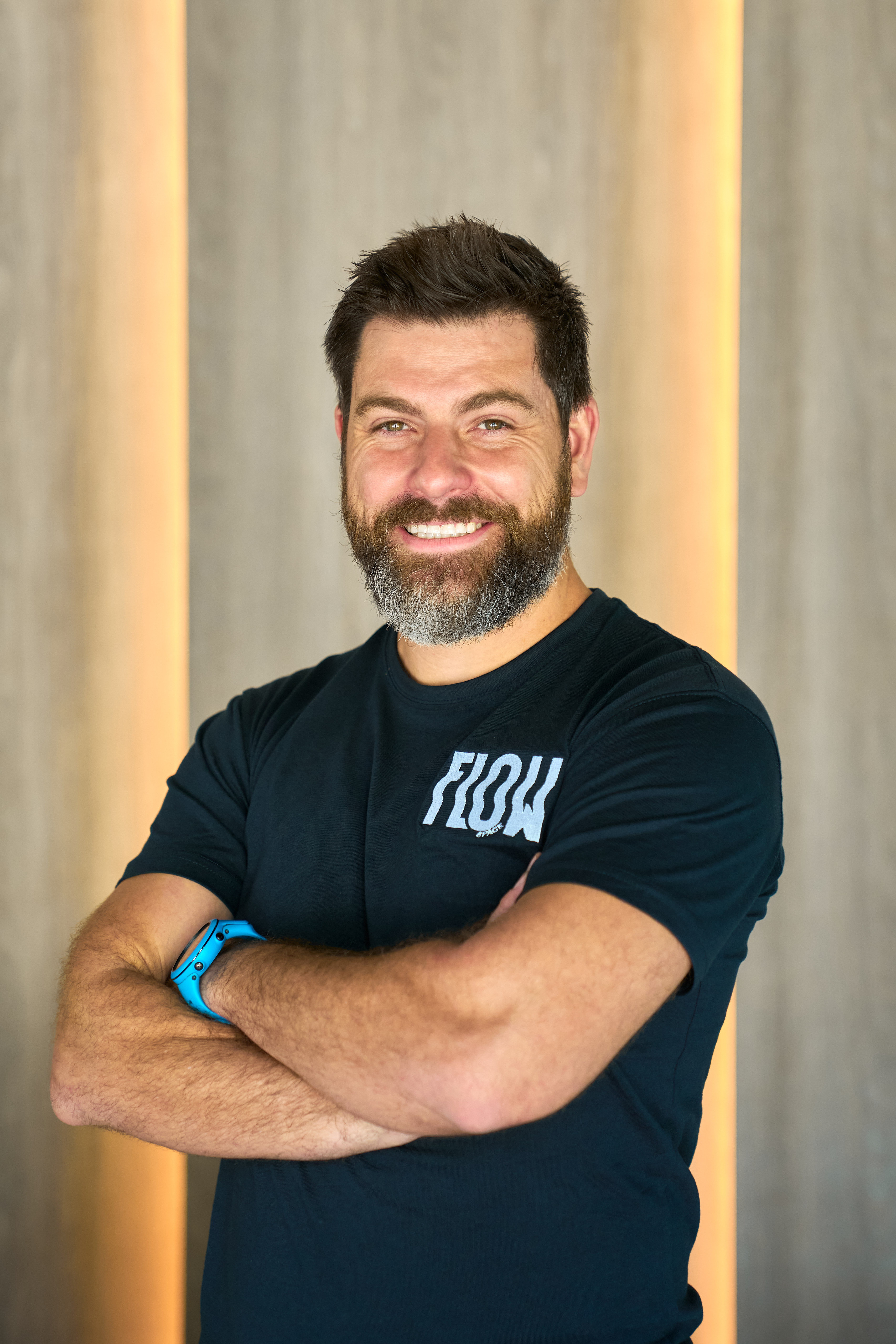
Coach Hannes is a Strength & Conditioning Specialist, catering for all corrective exercise and Personal Training needs. He loves to train active individuals who suffer from pain, educate them on managing pain, working around the pain, and returning back to action pain free.

He holds a PHD in dad jokes and puts the ‘PERSONAL’ back into Personal Training.

Originally from South Africa, he arrived in Dubai 12 years ago with his beautiful family and all his lions.