The Rubber Band Principle: Why Mobility Beats Flexibility Alone


For centuries, people have been searching for (and finding) many weird and wonderful ways to live longer. Today however, the focus has shifted and so has the conversation. Whilst the previous question asked, “How do we add more years to our life”, people now want to know, “How do we add more life to our years”. Essentially, how do we live better?
And that’s the real difference between lifespan and healthspan. Lifespan measures the number of years you have here on Earth; healthspan is about how many of those years you’re able to spend feeling strong, capable, independent, and grateful to wake up every day!
At The Flow Space in Dubai Hills Estate, we believe that investing in the quality, and not just the quantity, of your life is one of the most powerful and liberating choices you can make, and IV drip therapy is just one of the tools we use to support you in that worthwhile quest.
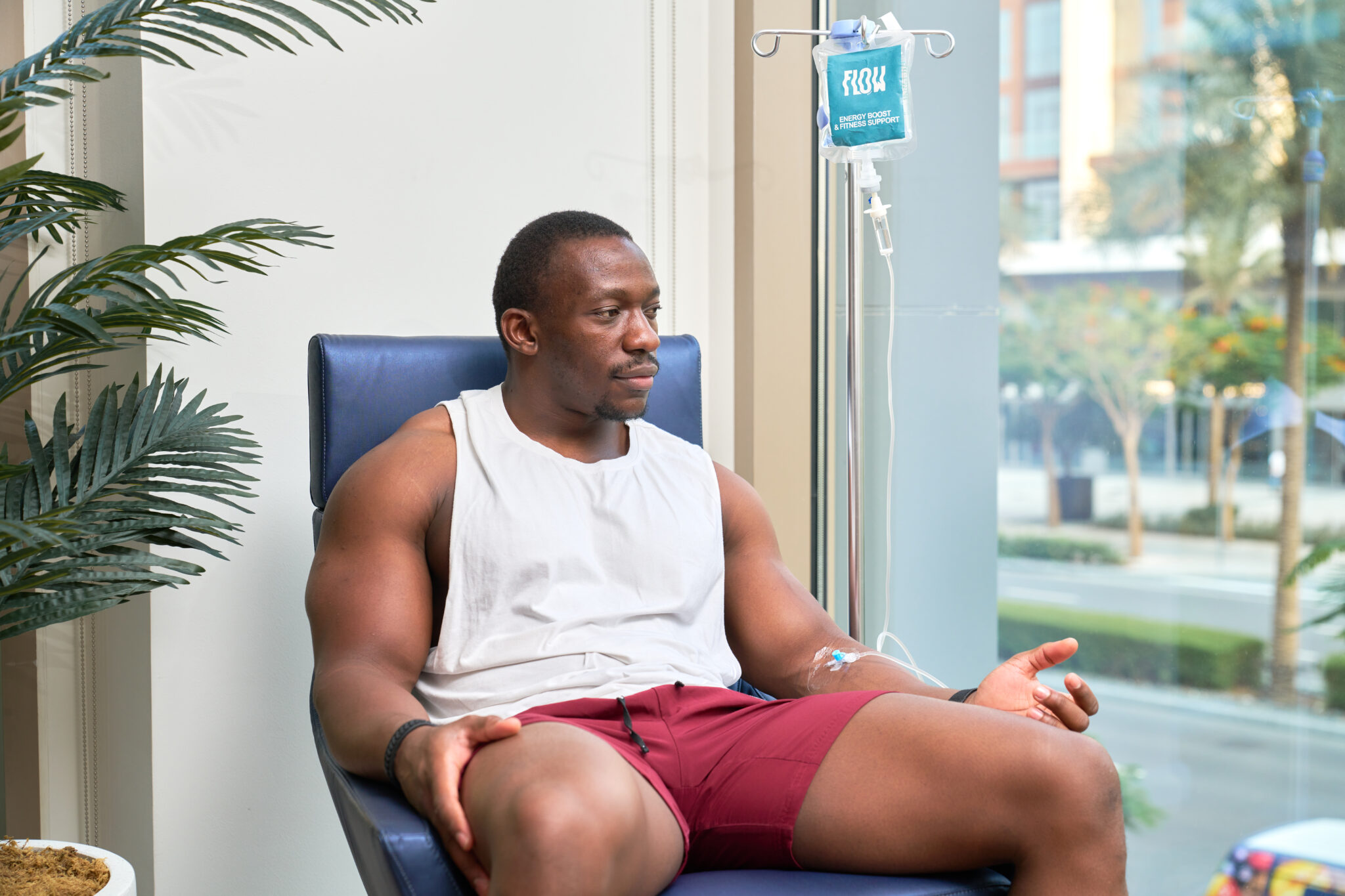
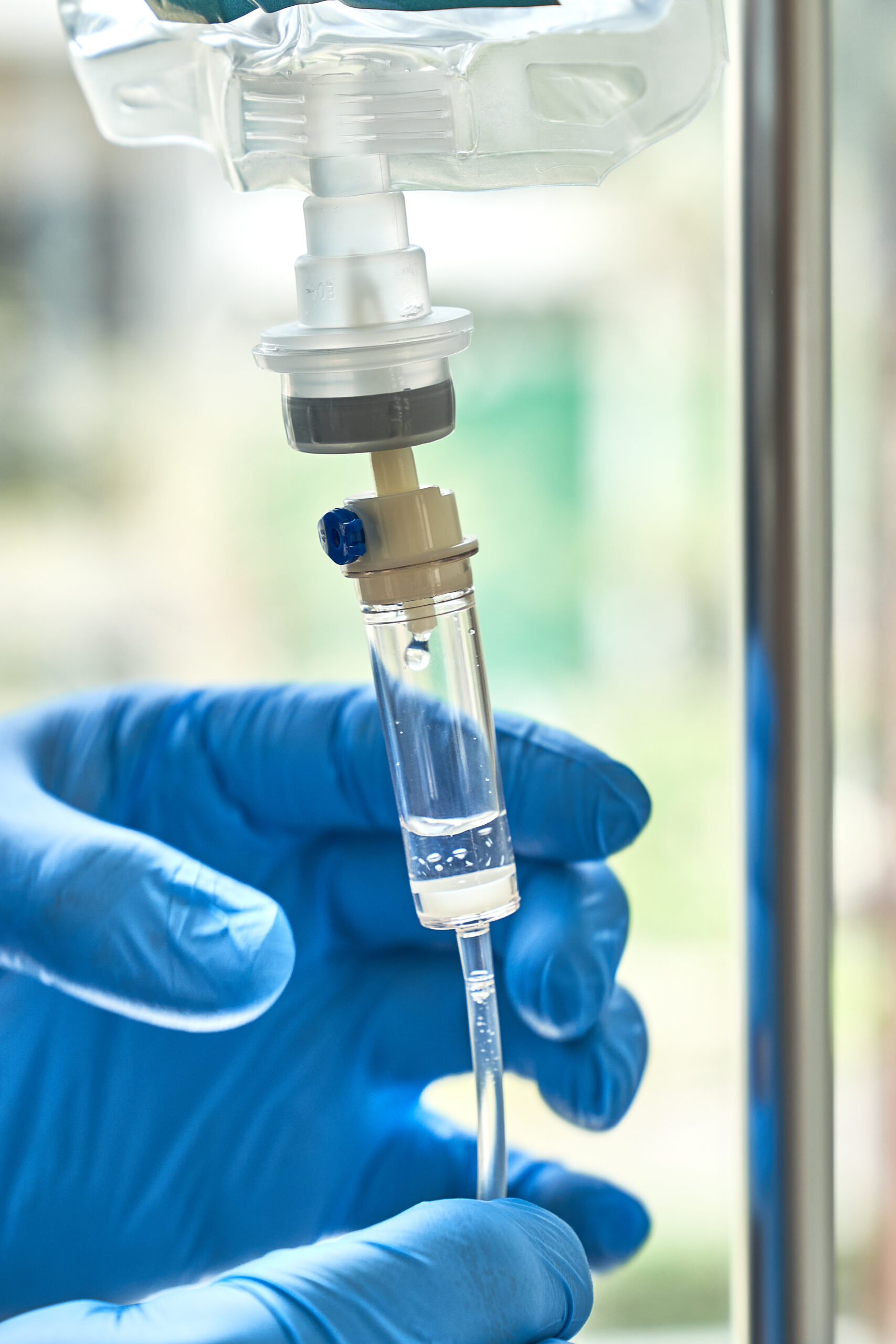
IV drips were once reserved strictly for hospitals, but today their use is spanning farther and wider as the many benefits are better understood. You can now easily find them in places such as wellness clinics, athletic recovery centers, and holistic spaces, like The Flow Space. The principle is simple: a small catheter delivers a carefully blended solution of hydration, vitamins, minerals, antioxidants and all the good things your body needs to thrive, directly into your bloodstream over 30–60 minutes. Because this process bypasses the digestive system, your body absorbs nearly 100% of the nutrients. That means faster, more noticeable effects compared to supplements which have to be taken orally.
So, you may be wondering, what exactly is in the bag? IV drips often contain a blend of core ingredients. These include:
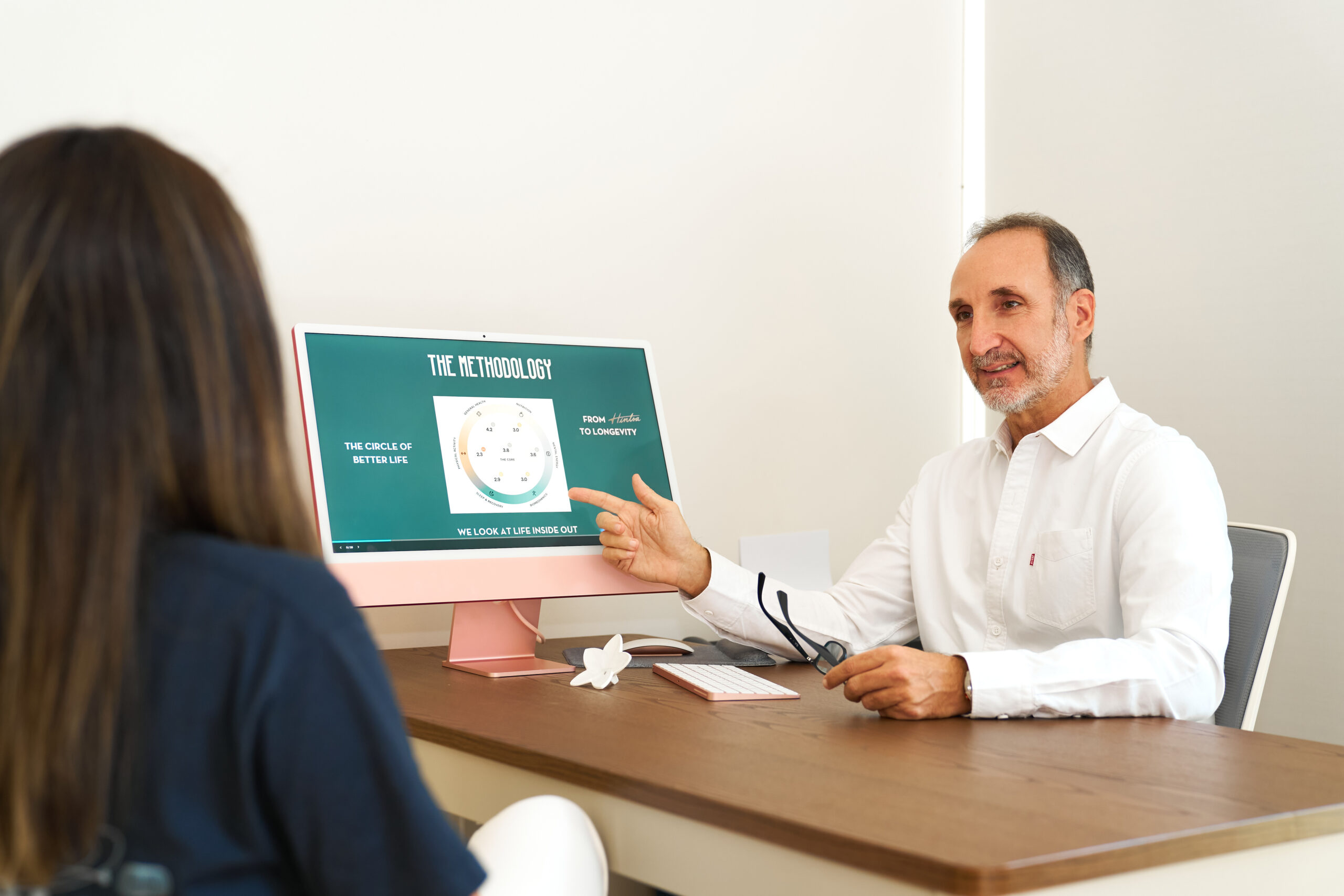
But here at The Flow Space, we like to take a more personalized approach. Whilst these are all highly effective and recommended ingredients, we acknowledge and appreciate that everyone who walks through our doors is different. Each drip can therefore be customized on request, to the patient’s unique needs. That’s also why we recommend starting with a consultation with our in-house functional medicine specialist, Dr. Jennifer Kaur. She will assess your lifestyle, health goals, and current requirements. A blood test may be required to further assist in guiding you on the most effective drip composition — but with the support of our nursing team, a safe, comfortable delivery and pleasant experience overall is guaranteed.
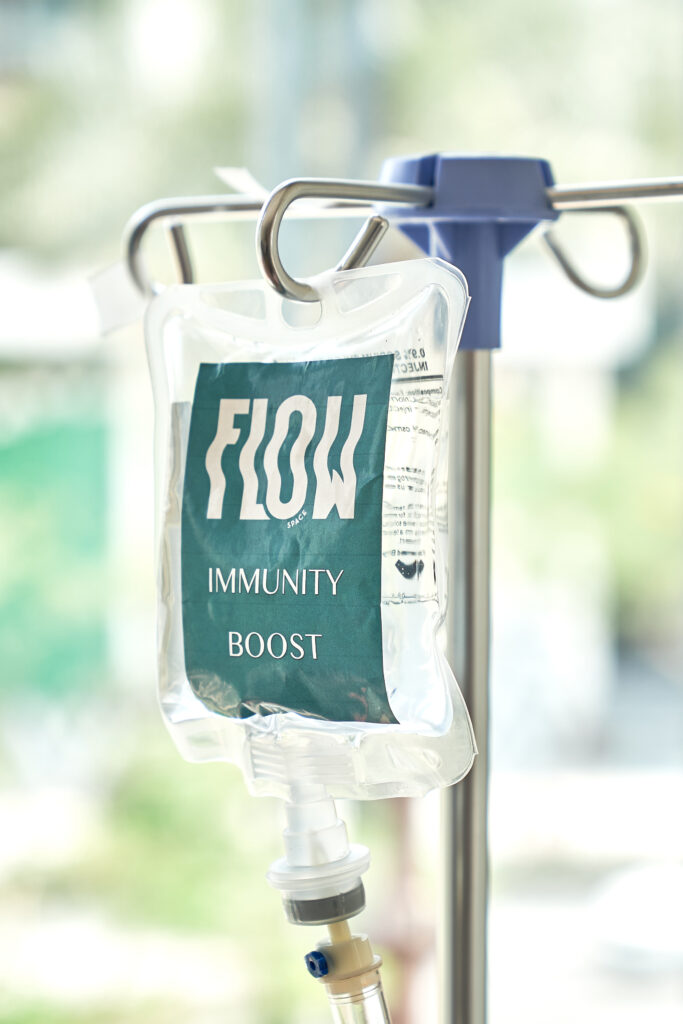
One infusion that has been gaining attention is NAD+ (nicotinamide adenine dinucleotide). This powerful coenzyme is found in every cell of the body and is essential for energy production, DNA repair, and overall cellular function. Unfortunately, NAD+ levels naturally decline with age, which contributes to fatigue, slower recovery, and increased susceptibility to chronic disease.
NAD+ IV therapy replenishes these levels and has therefore become one of our most popular drips. Whilst not a fully customized blend, it still offers many benefits and can be booked directly by anyone looking to recharge, repair, and invest in long-term health.
IV therapy is about more than just obtaining a quick and current state of wellbeing; it can play a role in wellness that spans over time, too, and here’s how:
Infusions like NAD+ and B vitamins boost mitochondrial function (your cells’ energy engines) and support DNA repair, both of which decline naturally with age. The result? More energy, sharper focus, and resilience against age-related decline.
High-dose Vitamin C, zinc, and antioxidants help your body fight infections, reduce inflammation, and recover faster from illness or environmental stressors.
Antioxidants such as glutathione help neutralize free radicals that contribute to cellular aging, inflammation, and chronic disease. By protecting cells, they support both longevity and quality of life.
Rapid rehydration replenishes electrolytes lost through exercise, heat, or travel, while amino acids and magnesium aid in muscle repair and reduce fatigue, helping you feel restored and ready to perform.
Collagen-supporting nutrients like Vitamin C, plus hydration, improve skin elasticity and glow, while magnesium and B vitamins positively impact mood and stress management.

Maybe you’re running low on energy, struggling to recover after workouts, or feeling the effects of stress, poor sleep, or travel. Or maybe you simply want to stay ahead, be proactive instead of reactive, and choosing to invest in your health now so you can enjoy more vitality later. IV therapy isn’t a magic solution, but it can be a valuable tool.
At The Flow Space, each treatment starts with a consultation with Dr. Jennifer, who will guide you toward the right approach for your needs. Together with our skilled nursing team, she ensures your drip is delivered safely, comfortably, and with your long-term wellbeing in mind.
If you’ve ever wondered whether IV therapy could make a difference for you, now is the time to explore it. Book a consultation with Dr. Jennifer and take the first step toward supporting both your healthspan and your future self.

It’s a word that’s getting thrown around more and more these days – on podcasts, at wellness seminars, in fitness classes and health blogs, even diets are promising to increase your days on Earth. Everyone seems to be chasing ‘it’. But what exactly does longevity mean? What is it that we’re all desperately trying so hard to achieve, reclaim or maybe even just hold onto?
When we talk about longevity, most people imagine longer lives, having more years, more birthdays and more rotations around the sun. But often, that vision comes with an unspoken fear: what if those extra years aren’t good ones? What if they’re filled with disease, dependence, and a slow or painful decline till the end? Because let’s be honest, it’s a reality we’ve all witnessed, even if we prefer not to talk about it. And maybe that’s exactly why we need to.
Longevity shouldn’t just be about quantity, about living longer – it should be about quality, living better. Staying vibrant, functional, and fulfilled for as long as possible. It’s not simply about the years you add but rather what you get to do with them.
Lifespan is simple: it’s the number of years from birth to death. Thanks to advances in medicine, sanitation, and technology, average lifespans have increased dramatically over the past century. Evidence based studies have shown that people who perform regular exercise live about 3–7 years longer. Other studies have found that short sleepers (typically <6 hours per night) are at risk of a 1-3 years shorter lifespan.
But there’s a catch: living for longer doesn’t automatically equate to a better life.
That’s where healthspan comes in. Healthspan is the number of years you live in good health, being physically able, mentally competent, emotionally strong, and free from major chronic disease. Having the ability to exercise with a body that is strong, mobile, flexible, and free from any pain, injury, or limitations. It also means waking up from your nighttime shut-eye feeling refreshed, thinking clearly, having stable moods, better immunity, and recovering faster from training.
If lifespan is the length of your life, think of ‘healthspan’ as being the depth of it.
So, here’s a question for you: Would you rather have 100 years of a life where the last 30 are spent battling illness.. Or 85 years where you’re sharp, active, independent, and living the life you always envisioned you would, right until the end?
In our pursuit of longevity, it’s crucial to understand that our journey is about optimizing every aspect of our health so we can live all these extra years fully.
The ideal scenario: to live with strength, clarity, and independence for as long as possible, with only a brief decline toward the very end. Prolonging vitality by minimizing the gap between the end of your health span and the end of your lifespan. Our aim should never be to just stretch life out; we should aim to shift vitality further along the timeline and as far into older age as we can. That’s the sweet spot: a life that’s long and full of energy, meaning, and joy.
Modern healthcare has done a great job at learning how to prevent or delay death, but in the process, forgot how to preserve life. It focuses on treating diseases instead of promoting health, resulting in a generation of people who survive longer, but not necessarily better.
At Flow Space Wellness Polyclinic in Dubai Hills, it is our mission, our duty, but also our desire, to help you preserve the three essential pillars of a long, high-quality life, as mentioned above:
Vicki Corona said, “Life is not measured by the number of breaths we take, but by the moments that take our breath away.” If this is true, then Longevity is certainly more than just a number, it’s a way of living. It’s not just about adding years to your life, but life to your years.
When you protect, nourish and nurture all of yourself – your body, mind, spirit as well as your relationships, you learn how to longer, but more importantly – better. That’s the kind of longevity worth pursuing. Let’s pursue it together.
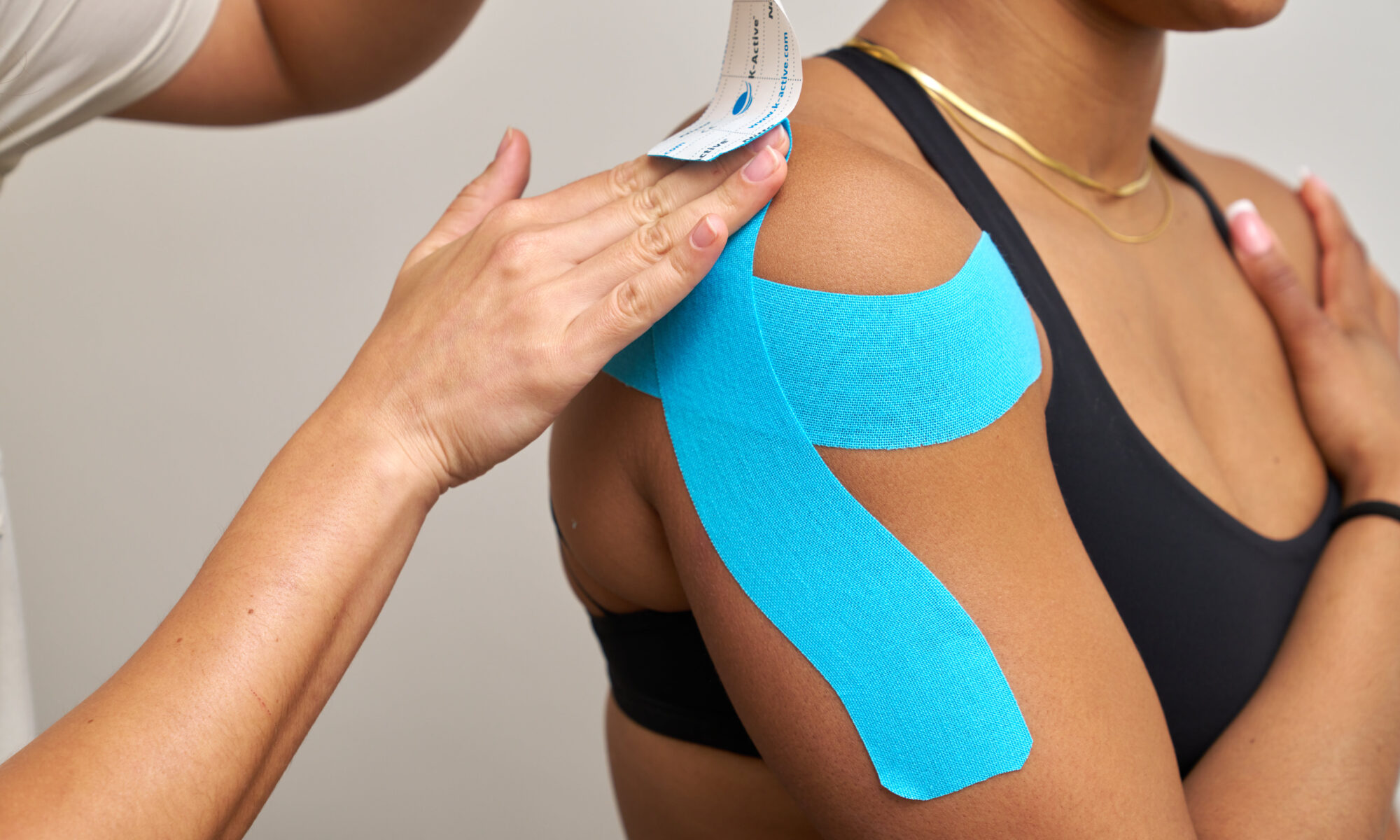
Injuries can really throw a spanner in the works, and let’s be honest, there’s nothing fun about them. Especially when you’re dealing with a limb you can’t fully use. Imagine having to open a jar with only one hand or climbing stairs with only one leg. I get frustrated just thinking about it! But worst of all – getting injured often means stepping back from making progress and reaching goals… Or does it?
Just because you’re dealing with an injury, doesn’t mean you have to hit pause on everything. It’s about figuring out how to keep moving forward in a way that works with your body’s current limits. And in the grander scheme of things, learning how to train even through setbacks plays an essential part in what keeps us in the game of life for the long run. Longevity, with regards to health and fitness, isn’t about pushing hard all the time, it’s about adapting, staying consistent, and taking care of your body so you can keep doing what you love, with those you love, in a way that you love, for years to come.
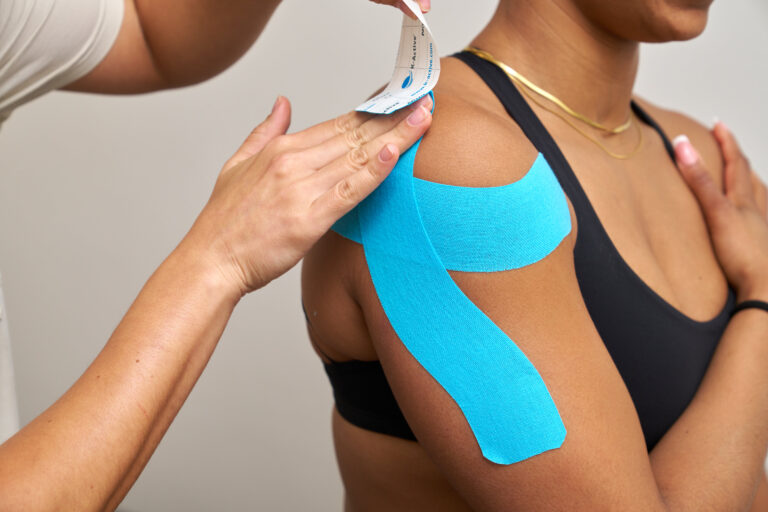
Even with an injury, there are still plenty of ways to stay active and keep working towards your goals.
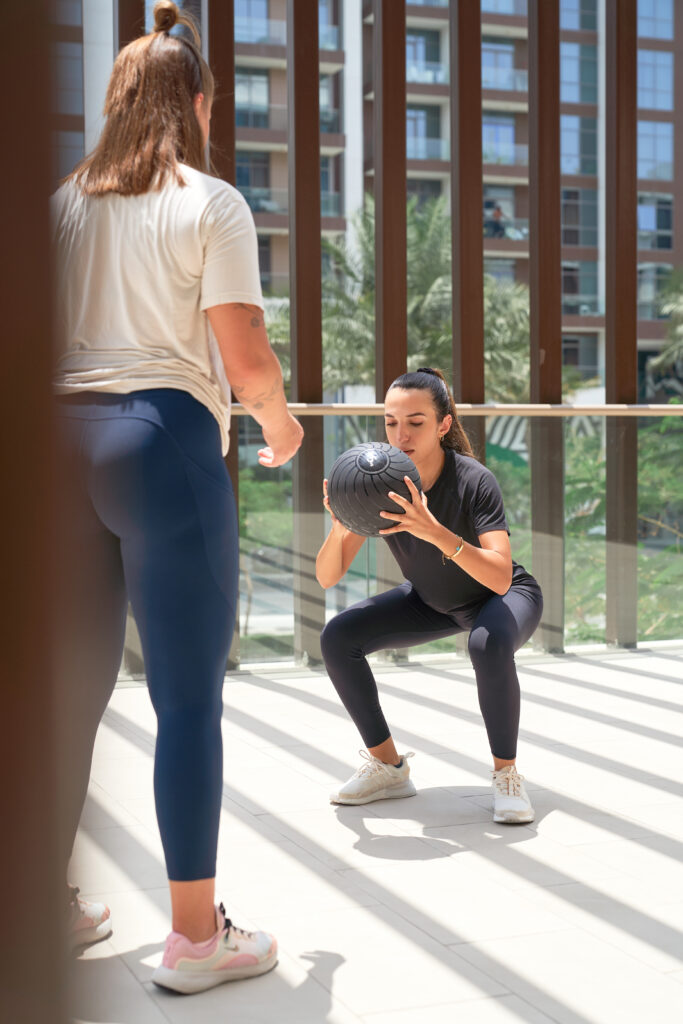
At The Flow Space, we take a multidisciplinary approach, ensuring that training modifications are both safe and effective. As one of the Corrective Exercise Specialists in the gym, I work alongside a team of physiotherapists, chiropractors, and a sports medicine doctor, and together we collaborate to design the best programs for recovery.
One common mistake when injured is completely changing a workout routine. Such a dramatic response is really not necessary. In actual fact, you should try to keep your modified program as close as possible to your usual exercises. Instead of removing certain movements entirely, simply make a few adjustments.
Isolated movements, non-weight-bearing exercises, and isometric holds can also be included in a modified plan. These can serve as rehabilitation, correction, maintenance and even progression in areas such as strength and power.
If one part of your body is injured, the rest can still move and make gains.
Upper body injury? Focus on lower body strength.
Lower body injury? Shift your attention to upper body development.
Upper Body Training with a Lower Body Injury:
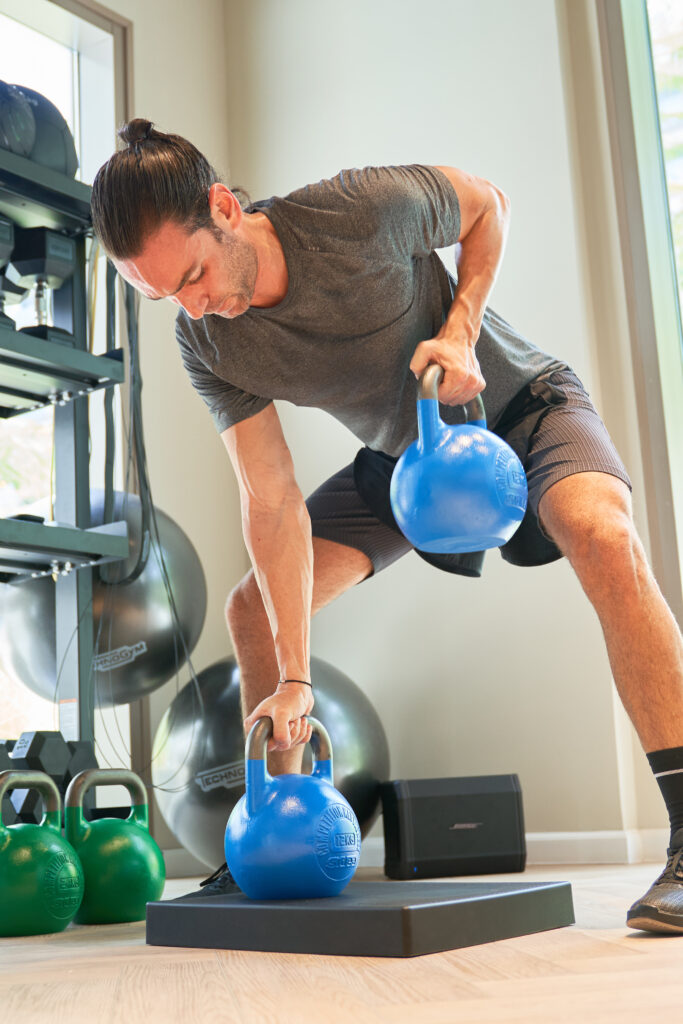
The body has an incredible ability known as cross-education, where training one side results in strength gains on the opposite side. This effect is believed to stem from neural adaptations in the brain, making it a powerful tool for staying strong while recovering. To maximize this benefit:
Some effective unilateral exercises include:
If your usual cardio routine isn’t possible, there are still ways to maintain or even improve your endurance with certain modifications:

Regardless of the injury, most people can find some form of core training that works for them. The key is to experiment with different exercises and modifications. Choose those that don’t aggravate your injury and use positions (like seated, supine, or supported) that feel safe and stable.
If you have an upper body injury: You’ll want to minimize load on the arms, shoulders, or wrists. Opt for exercises such as Marching Bridges, Banded Paloff Press, and Leg Lowering Variations.
So if you found yourself neglecting training your midsection, now is the perfect time to change that.

No matter what injury you’re dealing with, there are always ways to continue training, it may just look a little different than it did before. So, instead of focusing on what you can’t do, focus on what you CAN, and use this time as an opportunity to improve weaknesses and come back stronger and wiser than before. This mindset doesn’t just support short-term recovery; it’s an integral part of building long-term resilience and longevity, helping you stay in the game for life, not just for now.
If you’re looking for guidance in adapting your workouts while recovering from an injury, consulting with a knowledgeable coach, sports medicine doctor or physiotherapist can help you stay on track safely. At The Flow Space, we take a collaborative approach to injury recovery, ensuring you get the best possible outcomes while maintaining progress in your training. We’re ready to help you when you’re ready to help yourself.
We often think of sleep as the reward we give ourselves at the end of a long day. But what if that story is all wrong? What if sleep isn’t the final chapter, but the opening ritual to your deepest healing? Imagine if sleep wasn’t just rest, but a sacred cleanse. A nightly ceremony where your body rebalances hormones, purifies toxins, and gives your organs the chance to breathe, repair, and begin again. At The Flow Space, everything we offer is rooted in helping the body remember how to get there.
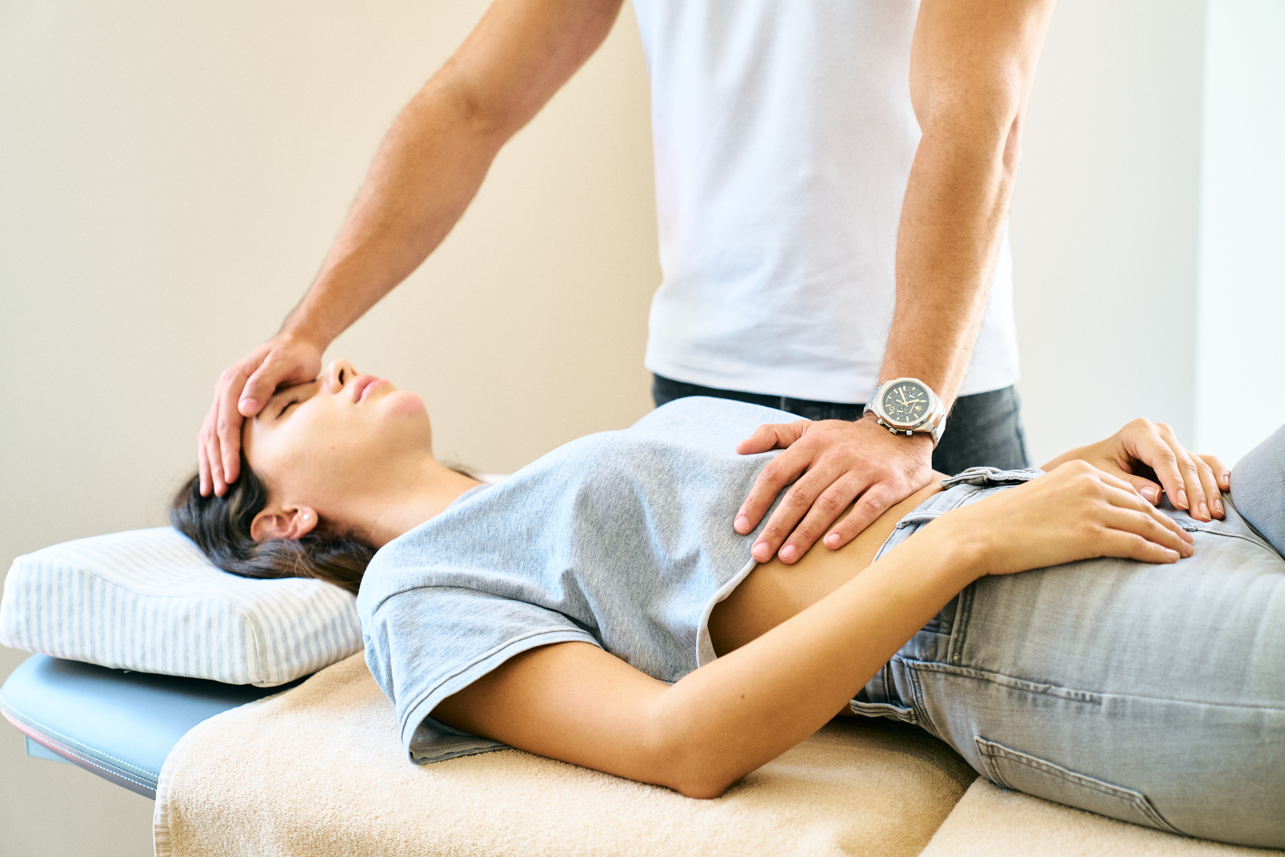
Through a blend of manual therapy and intuitive energy work, a holistic practitioner such as myself, Elie Azzi, can support this journey back to rest, not just to ease tension, but to reset your entire inner landscape. Because the kind of sleep that changes you, starts long before you close your eyes…
It begins the moment your body feels safe enough to let go.

We spend nearly a third of our lives asleep, and for good reason. Sleep isn’t the body shutting down. It’s the body turning inward, becoming deeply alive in ways we can’t see.
When you rest, something magical happens:
If you’re training hard, dealing with a stressful work environment, navigating hormonal shifts, or simply trying to feel more connected and alive in your body again, all your efforts can be quickly sabotaged by poor sleep.
Here’s the bottom line: Modern life disrupts sleep. We live in an overstimulated world: stress, endless screens, and schedules that don’t respect our natural rhythms bombard us daily. Even when we finally get to bed, our nervous systems haven’t caught up. The lights go off, but inside, many of us remain switched “on,” stuck in fight-or-flight mode, and no one can truly rest like that.
That’s exactly where bodywork and manual therapy step in to make a real difference.

Your nervous system isn’t just in your brain; it runs throughout your entire body. Chronic tension, tight fascia, stuck joints, and postural imbalances constantly send stress signals to your brain. If these signals don’t quiet down, your body struggles to shift into the parasympathetic state, also known as the “rest and digest” mode, that’s essential for deep, restorative sleep. Manual therapy and integrative bodywork offer potential remedies for just this.
At The Flow Space, I practice as a manual therapist and holistic bodyworker, combining scientific knowledge, spiritual insights, and emotional awareness to work with your whole system; nervous, fascial, muscular, and the energetic, to release long-held tension and recalibrate your body’s ability to rest. FULLY.
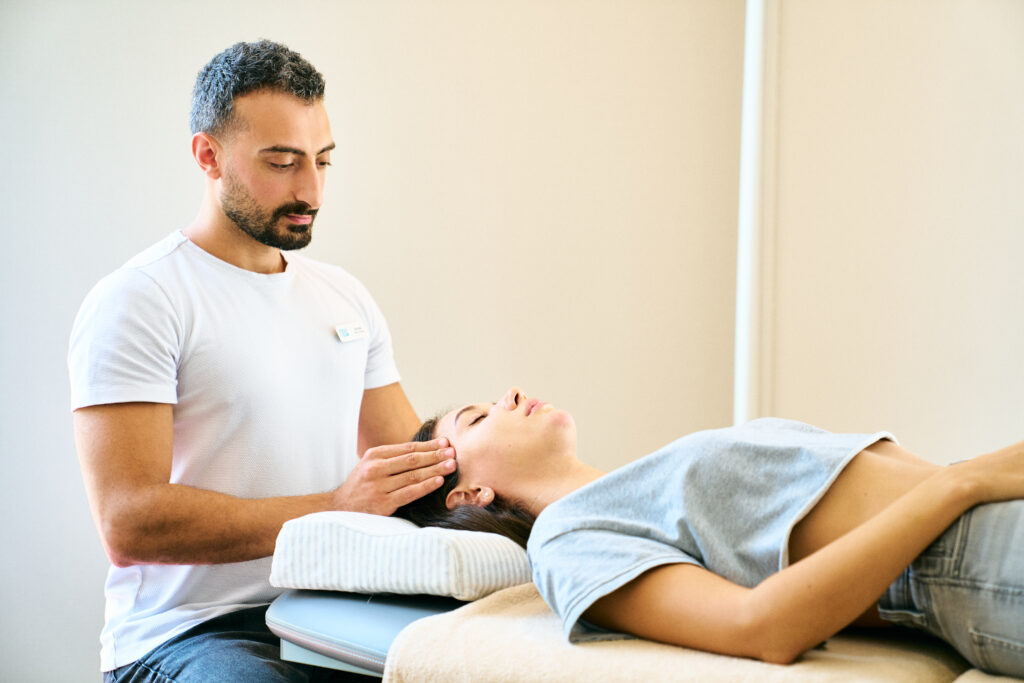
My approach focuses on:
This combination helps your body feel safe, relaxed, and ready for the deep, restorative sleep it needs.
Fascia is the body’s invisible web, a network of connective tissue that wraps around your muscles, organs, and nerves. When it’s flexible and moving well, you feel light and free. But when fascia tightens or locks up from stress, injury, or bad posture, it drags your body.
This tension can:
Releasing that tension through skilled manual therapy doesn’t just improve how your body feels, it signals your nervous system that it’s safe to let go and drift into deep, healing sleep.
The result? You fall asleep faster, stay asleep longer, wake up feeling refreshed, and carry less anxiety and physical stress into your day. It’s simple: when your fascia is free, your whole body relaxes, and that’s the foundation of truly restorative sleep.
While manual therapy is a powerful way to reset your body, pairing it with these simple, science-backed strategies can take your sleep, and your recovery, to the next level:
Longer Exhales = Better Sleep: Breathing with longer out-breaths than in-breaths gently raises CO₂ levels, which signals safety to your nervous system. This helps slow the heart rate and calm the mind, making it easier to fall asleep.
Cold Exposure… At the Right Time: While cold plunges are energizing, brief cold exposure (like a cool shower) 1–2 hours before bed can actually support deeper sleep. It helps drop your core body temperature, a natural trigger for melatonin release.
Fascia Stimulation Before Bed: Light rolling or self-massage using a soft ball or fascia tool (especially on the feet, hips, or upper back) activates the parasympathetic system. It’s like sending a calming signal through your entire body
Body Mapping for Sleep Signals: Spend 2 minutes scanning your body in bed, moving your awareness from head to toe. This not only helps you detect and release tension but also increases mind-body connection, making your body feel “seen” and safe to rest.
Blue Light Detox: You’ve heard it before, but instead of just turning off screens, switch your lighting to amber tones or red hues 2 hours before bed. This supports melatonin production without stimulating your visual cortex.
You can eat clean, train smart, take the right supplements… and still feel like something’s missing.
Because if your body isn’t letting go, and your nervous system is still stuck in high alert, deep healing doesn’t happen… And here at The Flow Space, we like to think that true transformation, whether physical, emotional, or energetic, begins at night.
So, if YOU really want to show up in life with a better sense of strength, clarity, and purpose, it’s time to start prioritizing yourself, and that includes your sleep. Furthermore, if you need some help getting there, don’t overlook the power of touch, presence, and a professional who truly cares.
Your body knows how to heal, and it wants to be healed. Actually, it deserves it. You just have to give it the conditions to do so. Visit us at The Flow Space and experience how manual therapy can help you sleep better, feel better, and reconnect with your body.