The Flow Space

Understanding Stress Eating: Why It Happens and How to Regain Balance

In times of uncertainty, many people ask themselves: “why do I eat when I’m stressed?” Intensified cravings, changes in appetite, or a sense of being completely out of control around food are all signs of stress eating, and it is far more common than most people realize. Here is something important to understand from the outset: emotional eating is not a failure of willpower. It is a deeply biological response rooted in stress and appetite, and understanding it is the first step toward how to stop stress eating for good.

The Science Behind Stress Eating

When the body perceives stress, whether from work pressure, relationship conflict, financial worry, or even lack of sleep, it activates a hormonal pathway known as the HPA axis (Hypothalamic–Pituitary–Adrenal axis). This triggers the release of cortisol, the body’s primary stress hormone. Cortisol and cravings are directly linked: cortisol increases appetite, raises blood sugar levels, and drives food cravings specifically for high-energy foods like sugar and refined carbohydrates. From an evolutionary standpoint, this makes sense. The body is preparing to face a threat and needs quick fuel.

At the same time, stress and appetite are regulated through the brain’s reward system. Eating certain comfort foods triggers dopamine, the neurotransmitter associated with pleasure and temporary relief. This creates a cycle that many people know all too well: stress eating leads to short-term comfort, which fades and leaves cravings stronger than before. Recognizing this loop, not as a personal weakness but as a neurological pattern, is essential before any meaningful change can happen.

How Stress Affects Digestion and Gut Health

The conversation around emotional eating often focuses on the mind, but the body’s digestive system is equally involved. Through the gut–brain axis, a powerful communication network between the gastrointestinal tract and the central nervous system, stress affects digestion in multiple ways: it can slow down gut motility, alter the gut microbiome, increase gut sensitivity, and directly influence food cravings and appetite. This is why people under chronic stress often experience bloating, irregularity, or a constant pull toward comfort foods. Gut health and stress are not separate issues — they are deeply interconnected, and addressing one without the other rarely produces lasting results.

How to Manage Cravings and Stop Stress Eating

Managing stress eating does not require extreme diets or rigid rules — in fact, restriction often makes food cravings worse. Instead, some of the most effective strategies for how to stop stress eating involve building awareness and consistency:

  • Learning to distinguish physical vs emotional hunger is foundational. Physical hunger builds gradually; emotional eating tends to be sudden and fixated on specific comfort foods.
  • Creating a brief pause before responding to food cravings can interrupt the automatic cycle.
  • Building balanced meals with protein, fiber, and healthy fats helps stabilize blood sugar and reduces cortisol and cravings over time.
  • Consistent eating patterns, quality sleep, and stress management practices all support the body’s ability to regulate stress and appetite naturally.

The goal is not to eliminate food cravings, it is to respond to them mindfully, with awareness rather than reaction.

A Compassionate, Root-Cause Approach to Emotional Eating

Perhaps the most important shift is one of perspective. The body is not working against you when it craves comfort food under stress, it is trying to protect you. Guilt only adds to the stress load and deepens emotional eating patterns. By replacing self-criticism with biological understanding, it becomes possible to move from reaction to informed, compassionate action.

If you are looking to understand stress eating and weight management, improve gut health and stress responses, or build a healthier relationship with food, personalized functional nutrition support can make a significant difference. At The Flow Space, Lead Clinical Dietitian Sedra Jundi offers a root-cause approach to nutrition — providing comprehensive assessments, personalized nutrition consultation plans, and ongoing support tailored to your unique needs.

Book your nutrition consultation with Sedra Jundi at The Flow Space today.

IV Drips: Nourishing Your Body for Long and for Good

For centuries, people have been searching for (and finding) many weird and wonderful ways to live longer. Today however, the focus has shifted and so has the conversation. Whilst the previous question asked, “How do we add more years to our life”, people now want to know, “How do we add more life to our years”. Essentially, how do we live better?

And that’s the real difference between lifespan and healthspan. Lifespan measures the number of years you have here on Earth; healthspan is about how many of those years you’re able to spend feeling strong, capable, independent, and grateful to wake up every day!

At The Flow Space in Dubai Hills Estate, we believe that investing in the quality, and not just the quantity, of your life is one of the most powerful and liberating choices you can make, and IV drip therapy is just one of the tools we use to support you in that worthwhile quest. 

IV Therapy: What’s It All About?

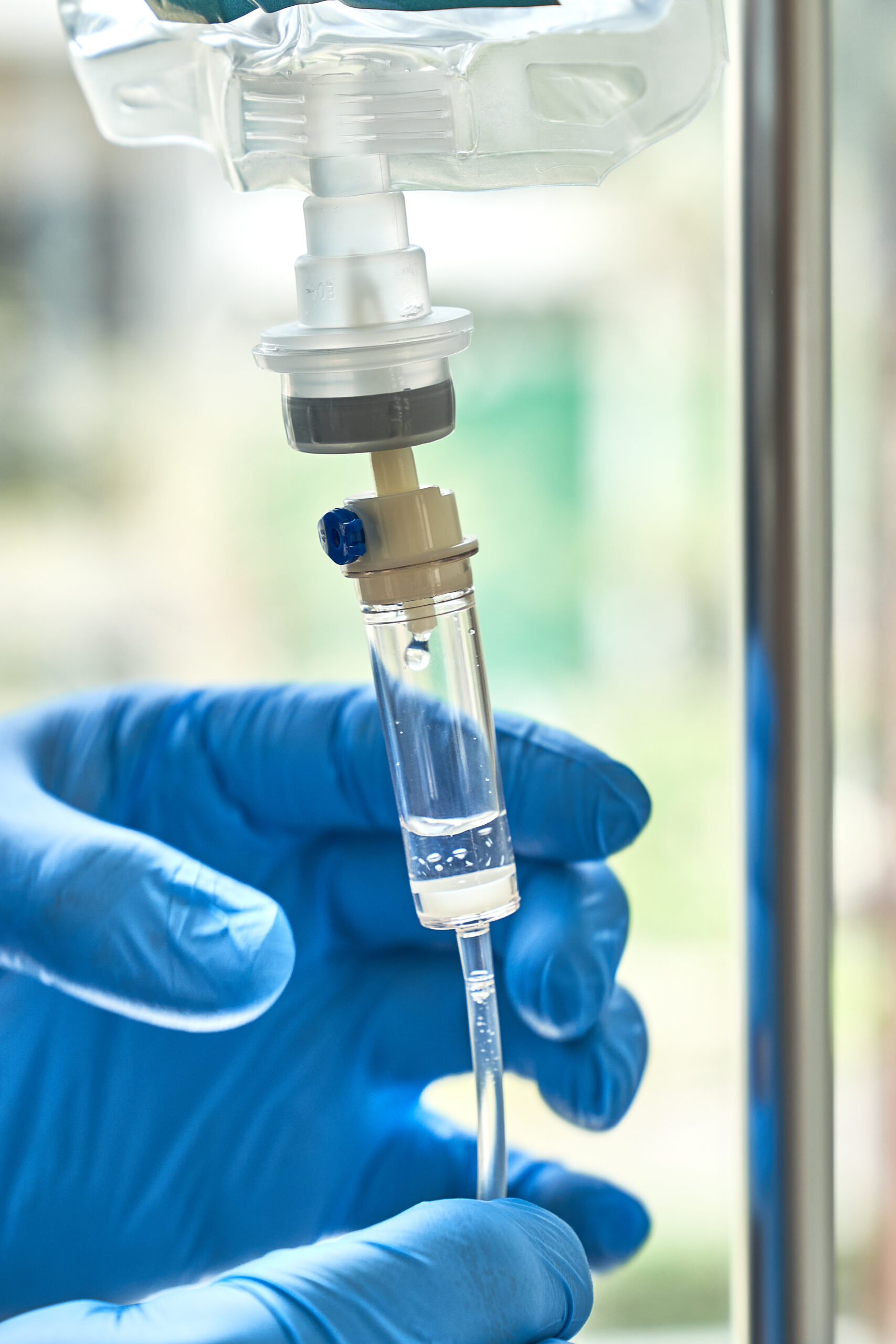
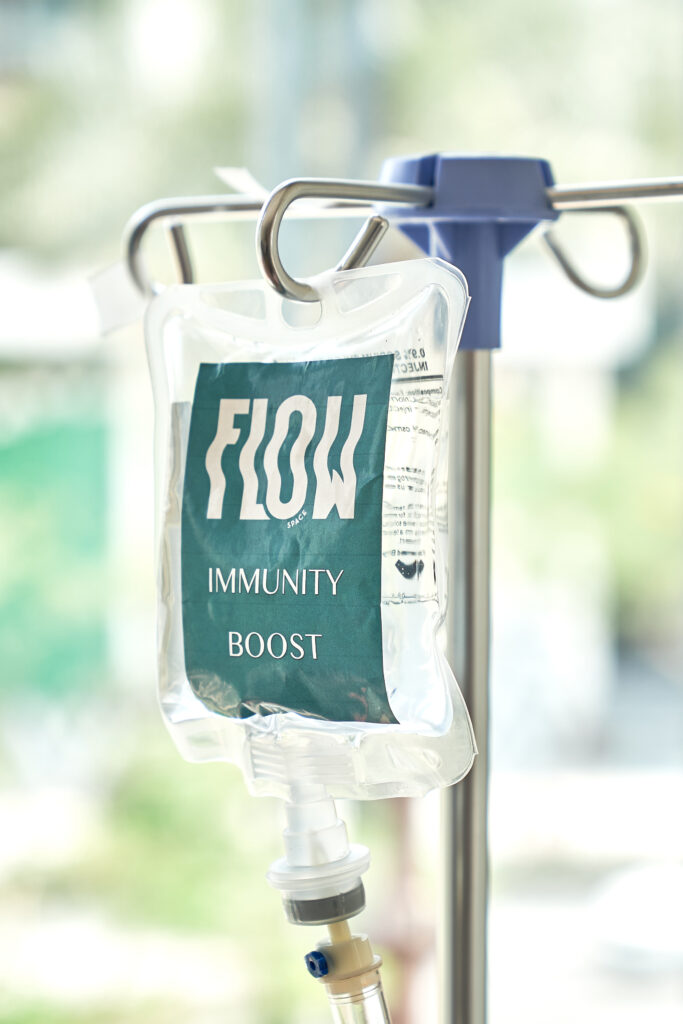
IV drips were once reserved strictly for hospitals, but today their use is spanning farther and wider as the many benefits are better understood. You can now easily find them in places such as wellness clinics, athletic recovery centers, and holistic spaces, like The Flow Space. The principle is simple: a small catheter delivers a carefully blended solution of hydration, vitamins, minerals, antioxidants and all the good things your body needs to thrive, directly into your bloodstream over 30–60 minutes. Because this process bypasses the digestive system, your body absorbs nearly 100% of the nutrients. That means faster, more noticeable effects compared to supplements which have to be taken orally.

So, you may be wondering, what exactly is in the bag? IV drips often contain a blend of core ingredients. These include:

  • Saline solution & electrolytes → Restore hydration and balance for optimal muscle and nerve function.
  • Vitamin C → A powerful antioxidant that supports immunity, skin radiance, and collagen production.
  • B-complex vitamins → Vital for cellular energy, mood support, and brain health.
  • Magnesium → For relaxation, muscle recovery, and stress reduction.
  • Glutathione → To support detoxification, immunity, and anti-aging.
  • Amino acids → Promote muscle repair, recovery, and overall vitality.

But here at The Flow Space, we like to take a more personalized approach. Whilst these are all highly effective and recommended ingredients, we acknowledge and appreciate that everyone who walks through our doors is different. Each drip can therefore be customized on request, to the patient’s unique needs. That’s also why we recommend starting with a consultation with our in-house functional medicine specialist, Dr. Jennifer Kaur. She will assess your lifestyle, health goals, and current requirements.  A blood test may be required to further assist in guiding you on the most effective drip composition — but with the support of our nursing team, a safe, comfortable delivery and pleasant experience overall is guaranteed.

A Special Mention: NAD+

One infusion that has been gaining attention is NAD+ (nicotinamide adenine dinucleotide). This powerful coenzyme is found in every cell of the body and is essential for energy production, DNA repair, and overall cellular function. Unfortunately, NAD+ levels naturally decline with age, which contributes to fatigue, slower recovery, and increased susceptibility to chronic disease.

NAD+ IV therapy replenishes these levels and has therefore become one of our most popular drips. Whilst not a fully customized blend, it still offers many benefits and can be booked directly by anyone looking to recharge, repair, and invest in long-term health.

Diving Deeper: How IV Drips Support Longevity and Healthspan

IV therapy is about more than just obtaining a quick and current state of wellbeing; it can play a role in wellness that spans over time, too, and here’s how:

1. Cellular Energy & Repair

Infusions like NAD+ and B vitamins boost mitochondrial function (your cells’ energy engines) and support DNA repair, both of which decline naturally with age. The result? More energy, sharper focus, and resilience against age-related decline.

2. Immune Resilience

High-dose Vitamin C, zinc, and antioxidants help your body fight infections, reduce inflammation, and recover faster from illness or environmental stressors.

3. Protection Against Oxidative Stress

Antioxidants such as glutathione help neutralize free radicals that contribute to cellular aging, inflammation, and chronic disease. By protecting cells, they support both longevity and quality of life.

4. Hydration & Recovery

Rapid rehydration replenishes electrolytes lost through exercise, heat, or travel, while amino acids and magnesium aid in muscle repair and reduce fatigue, helping you feel restored and ready to perform.

5. Skin, Mood & Vitality

Collagen-supporting nutrients like Vitamin C, plus hydration, improve skin elasticity and glow, while magnesium and B vitamins positively impact mood and stress management.

A Final Thought: Consider This

Maybe you’re running low on energy, struggling to recover after workouts, or feeling the effects of stress, poor sleep, or travel. Or maybe you simply want to stay ahead, be proactive instead of reactive, and choosing to invest in your health now so you can enjoy more vitality later. IV therapy isn’t a magic solution, but it can be a valuable tool. 

At The Flow Space, each treatment starts with a consultation with Dr. Jennifer, who will guide you toward the right approach for your needs. Together with our skilled nursing team, she ensures your drip is delivered safely, comfortably, and with your long-term wellbeing in mind.

If you’ve ever wondered whether IV therapy could make a difference for you, now is the time to explore it. Book a consultation with Dr. Jennifer and take the first step toward supporting both your healthspan and your future self.