The Rubber Band Principle: Why Mobility Beats Flexibility Alone


It’s a word that’s getting thrown around more and more these days – on podcasts, at wellness seminars, in fitness classes and health blogs, even diets are promising to increase your days on Earth. Everyone seems to be chasing ‘it’. But what exactly does longevity mean? What is it that we’re all desperately trying so hard to achieve, reclaim or maybe even just hold onto?
When we talk about longevity, most people imagine longer lives, having more years, more birthdays and more rotations around the sun. But often, that vision comes with an unspoken fear: what if those extra years aren’t good ones? What if they’re filled with disease, dependence, and a slow or painful decline till the end? Because let’s be honest, it’s a reality we’ve all witnessed, even if we prefer not to talk about it. And maybe that’s exactly why we need to.
Longevity shouldn’t just be about quantity, about living longer – it should be about quality, living better. Staying vibrant, functional, and fulfilled for as long as possible. It’s not simply about the years you add but rather what you get to do with them.
Lifespan is simple: it’s the number of years from birth to death. Thanks to advances in medicine, sanitation, and technology, average lifespans have increased dramatically over the past century. Evidence based studies have shown that people who perform regular exercise live about 3–7 years longer. Other studies have found that short sleepers (typically <6 hours per night) are at risk of a 1-3 years shorter lifespan.
But there’s a catch: living for longer doesn’t automatically equate to a better life.
That’s where healthspan comes in. Healthspan is the number of years you live in good health, being physically able, mentally competent, emotionally strong, and free from major chronic disease. Having the ability to exercise with a body that is strong, mobile, flexible, and free from any pain, injury, or limitations. It also means waking up from your nighttime shut-eye feeling refreshed, thinking clearly, having stable moods, better immunity, and recovering faster from training.
If lifespan is the length of your life, think of ‘healthspan’ as being the depth of it.
So, here’s a question for you: Would you rather have 100 years of a life where the last 30 are spent battling illness.. Or 85 years where you’re sharp, active, independent, and living the life you always envisioned you would, right until the end?
In our pursuit of longevity, it’s crucial to understand that our journey is about optimizing every aspect of our health so we can live all these extra years fully.
The ideal scenario: to live with strength, clarity, and independence for as long as possible, with only a brief decline toward the very end. Prolonging vitality by minimizing the gap between the end of your health span and the end of your lifespan. Our aim should never be to just stretch life out; we should aim to shift vitality further along the timeline and as far into older age as we can. That’s the sweet spot: a life that’s long and full of energy, meaning, and joy.
Modern healthcare has done a great job at learning how to prevent or delay death, but in the process, forgot how to preserve life. It focuses on treating diseases instead of promoting health, resulting in a generation of people who survive longer, but not necessarily better.
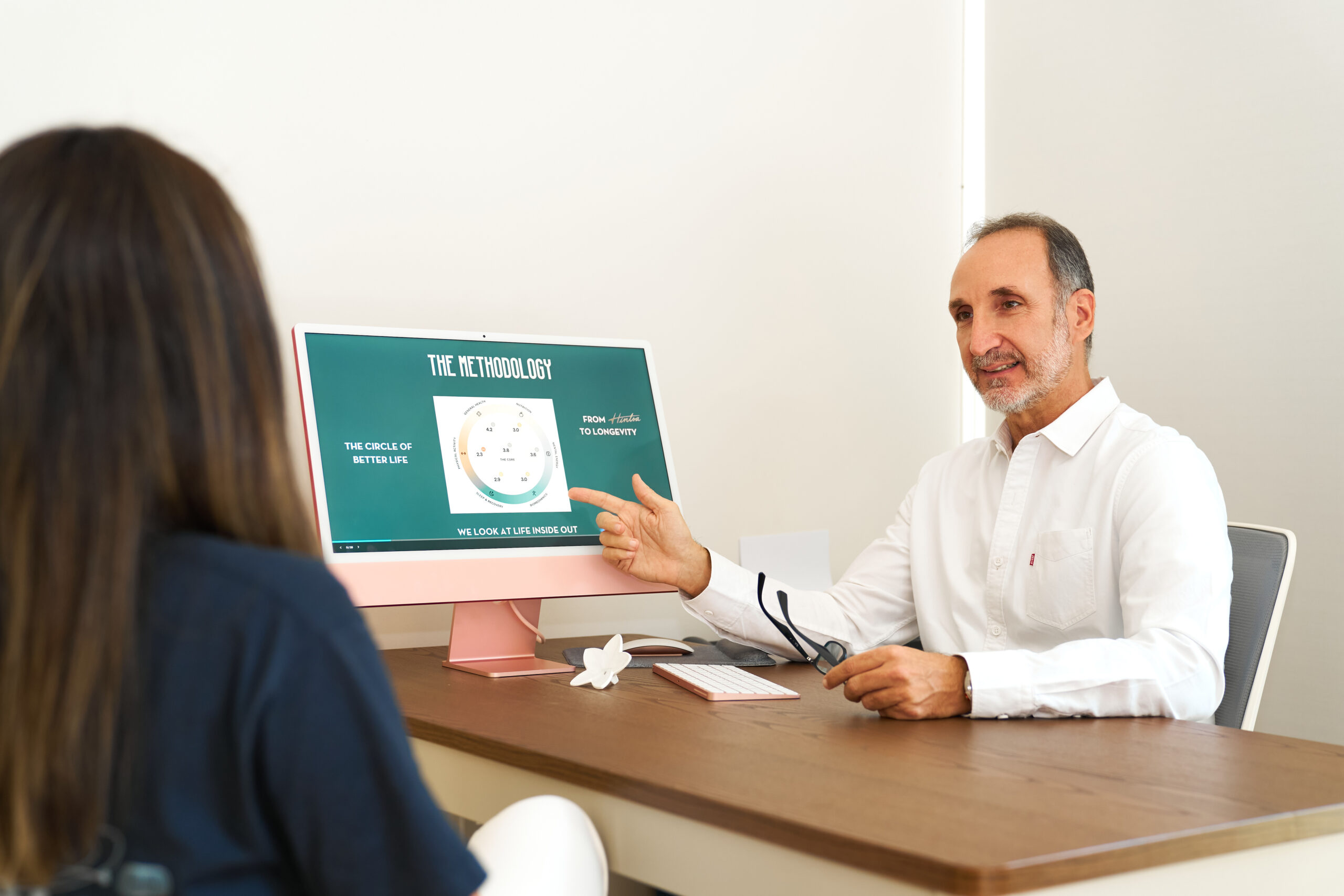
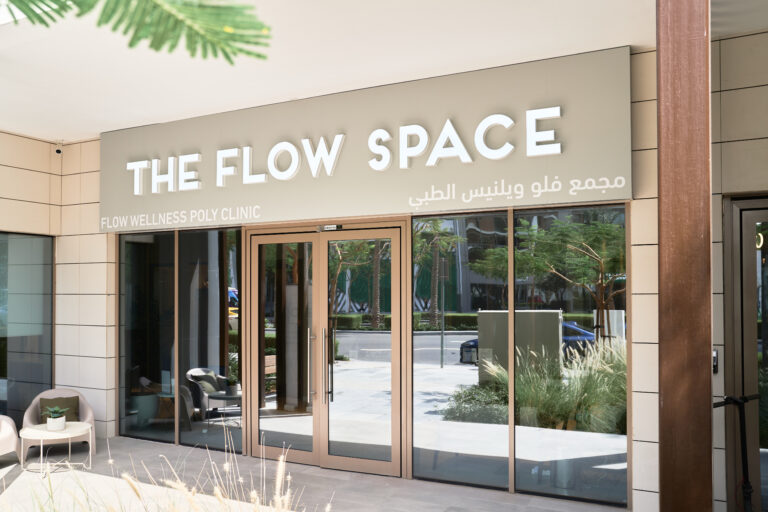
At Flow Space Wellness Polyclinic in Dubai Hills, it is our mission, our duty, but also our desire, to help you preserve the three essential pillars of a long, high-quality life, as mentioned above:
Vicki Corona said, “Life is not measured by the number of breaths we take, but by the moments that take our breath away.” If this is true, then Longevity is certainly more than just a number, it’s a way of living. It’s not just about adding years to your life, but life to your years.
When you protect, nourish and nurture all of yourself – your body, mind, spirit as well as your relationships, you learn how to longer, but more importantly – better. That’s the kind of longevity worth pursuing. Let’s pursue it together.
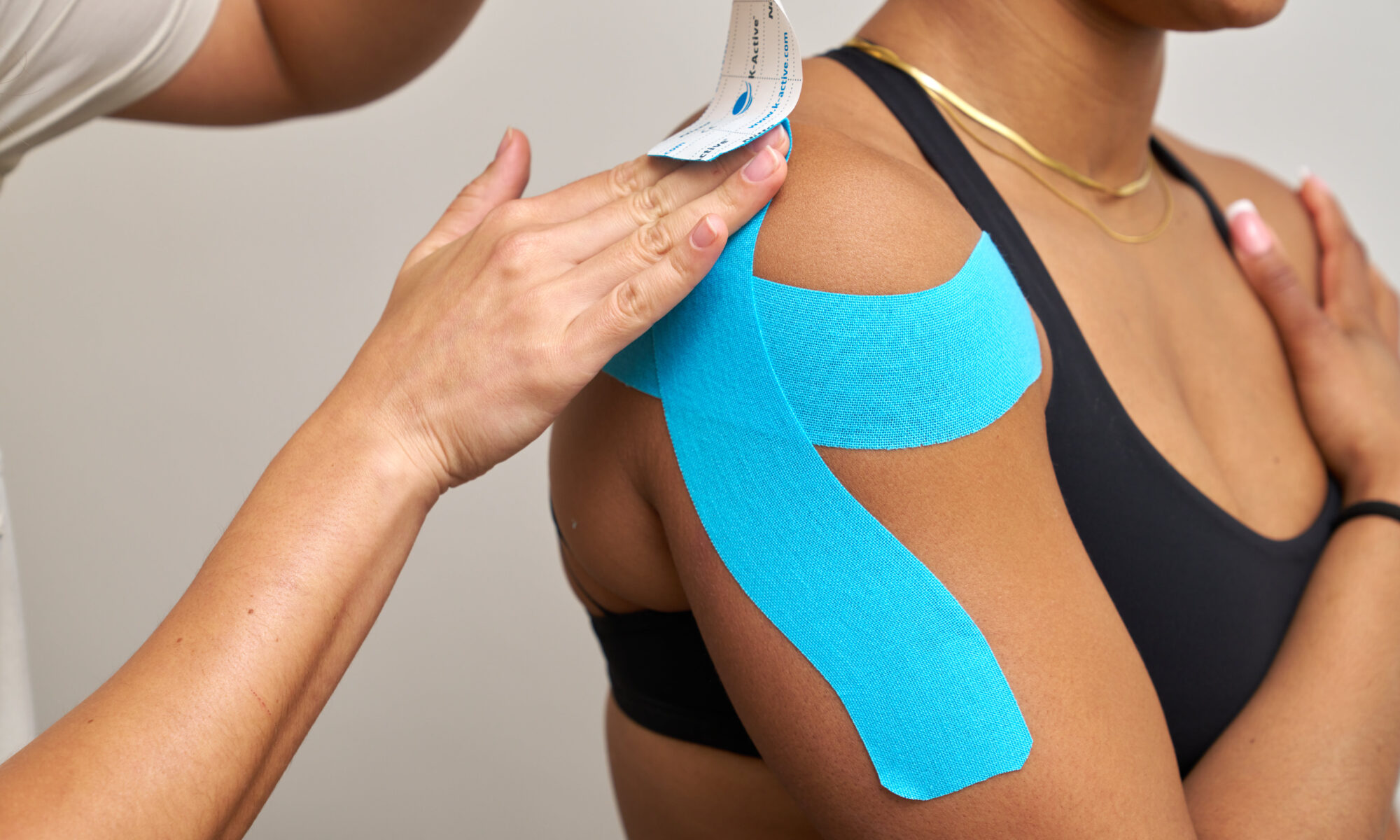
Injuries can really throw a spanner in the works, and let’s be honest, there’s nothing fun about them. Especially when you’re dealing with a limb you can’t fully use. Imagine having to open a jar with only one hand or climbing stairs with only one leg. I get frustrated just thinking about it! But worst of all – getting injured often means stepping back from making progress and reaching goals… Or does it?
Just because you’re dealing with an injury, doesn’t mean you have to hit pause on everything. It’s about figuring out how to keep moving forward in a way that works with your body’s current limits. And in the grander scheme of things, learning how to train even through setbacks plays an essential part in what keeps us in the game of life for the long run. Longevity, with regards to health and fitness, isn’t about pushing hard all the time, it’s about adapting, staying consistent, and taking care of your body so you can keep doing what you love, with those you love, in a way that you love, for years to come.
Even with an injury, there are still plenty of ways to stay active and keep working towards your goals.
At The Flow Space, we take a multidisciplinary approach, ensuring that training modifications are both safe and effective. As one of the Corrective Exercise Specialists in the gym, I work alongside a team of physiotherapists, chiropractors, and a sports medicine doctor, and together we collaborate to design the best programs for recovery.
One common mistake when injured is completely changing a workout routine. Such a dramatic response is really not necessary. In actual fact, you should try to keep your modified program as close as possible to your usual exercises. Instead of removing certain movements entirely, simply make a few adjustments.
Isolated movements, non-weight-bearing exercises, and isometric holds can also be included in a modified plan. These can serve as rehabilitation, correction, maintenance and even progression in areas such as strength and power.
If one part of your body is injured, the rest can still move and make gains.
Upper body injury? Focus on lower body strength.
Lower body injury? Shift your attention to upper body development.
Upper Body Training with a Lower Body Injury:
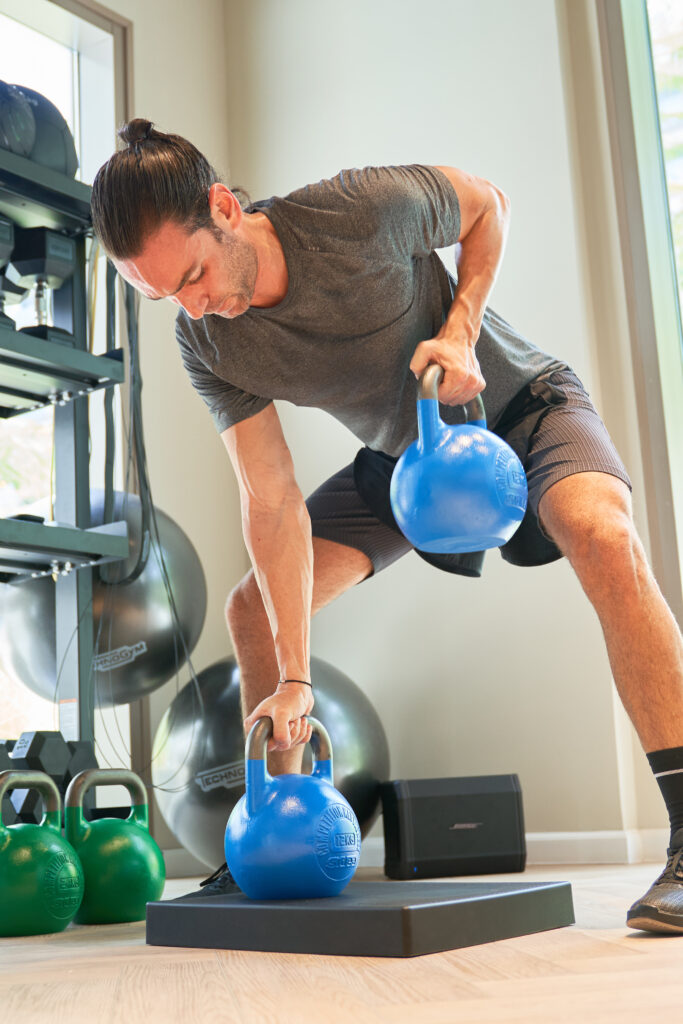
The body has an incredible ability known as cross-education, where training one side results in strength gains on the opposite side. This effect is believed to stem from neural adaptations in the brain, making it a powerful tool for staying strong while recovering. To maximize this benefit:
Some effective unilateral exercises include:
If your usual cardio routine isn’t possible, there are still ways to maintain or even improve your endurance with certain modifications:

Regardless of the injury, most people can find some form of core training that works for them. The key is to experiment with different exercises and modifications. Choose those that don’t aggravate your injury and use positions (like seated, supine, or supported) that feel safe and stable.
If you have an upper body injury: You’ll want to minimize load on the arms, shoulders, or wrists. Opt for exercises such as Marching Bridges, Banded Paloff Press, and Leg Lowering Variations.
So if you found yourself neglecting training your midsection, now is the perfect time to change that.

No matter what injury you’re dealing with, there are always ways to continue training, it may just look a little different than it did before. So, instead of focusing on what you can’t do, focus on what you CAN, and use this time as an opportunity to improve weaknesses and come back stronger and wiser than before. This mindset doesn’t just support short-term recovery; it’s an integral part of building long-term resilience and longevity, helping you stay in the game for life, not just for now.
If you’re looking for guidance in adapting your workouts while recovering from an injury, consulting with a knowledgeable coach, sports medicine doctor or physiotherapist can help you stay on track safely. At The Flow Space, we take a collaborative approach to injury recovery, ensuring you get the best possible outcomes while maintaining progress in your training. We’re ready to help you when you’re ready to help yourself.