It’s a word that’s getting thrown around more and more these days – on podcasts, at wellness seminars, in fitness classes and health blogs, even diets are promising to increase your days on Earth. Everyone seems to be chasing ‘it’. But what exactly does longevity mean? What is it that we’re all desperately trying so hard to achieve, reclaim or maybe even just hold onto?

When we talk about longevity, most people imagine longer lives, having more years, more birthdays and more rotations around the sun. But often, that vision comes with an unspoken fear: what if those extra years aren’t good ones? What if they’re filled with disease, dependence, and a slow or painful decline till the end? Because let’s be honest, it’s a reality we’ve all witnessed, even if we prefer not to talk about it. And maybe that’s exactly why we need to.
Longevity shouldn’t just be about quantity, about living longer – it should be about quality, living better. Staying vibrant, functional, and fulfilled for as long as possible. It’s not simply about the years you add but rather what you get to do with them.
Lifespan vs. Healthspan: The Two Sides of The Longevity Coin
Lifespan is simple: it’s the number of years from birth to death. Thanks to advances in medicine, sanitation, and technology, average lifespans have increased dramatically over the past century. Evidence based studies have shown that people who perform regular exercise live about 3–7 years longer. Other studies have found that short sleepers (typically <6 hours per night) are at risk of a 1-3 years shorter lifespan.
But there’s a catch: living for longer doesn’t automatically equate to a better life.
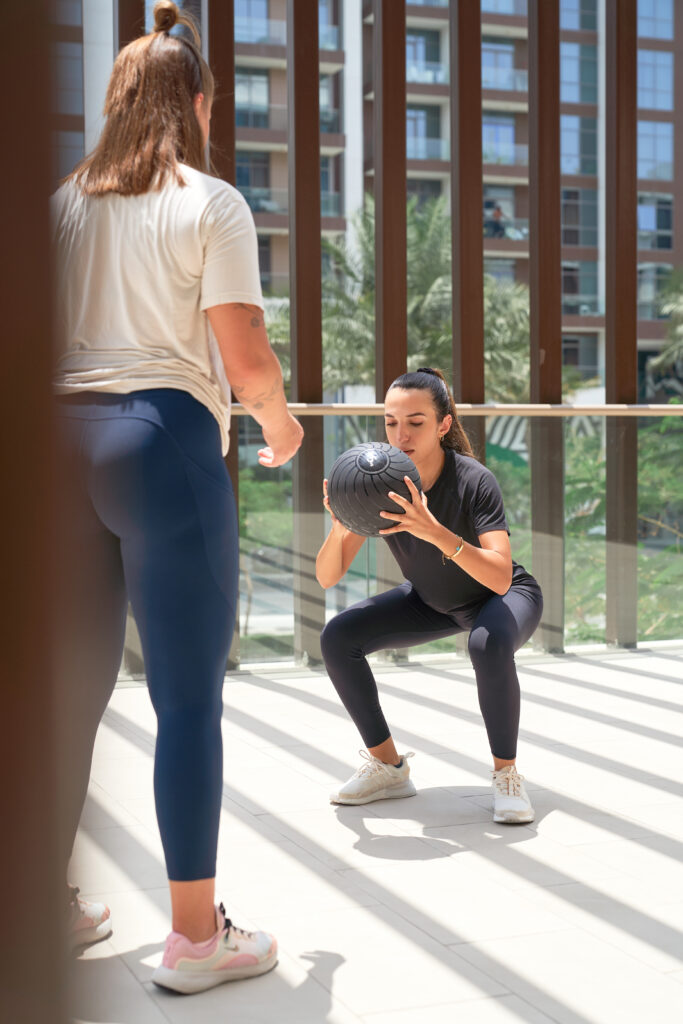
That’s where healthspan comes in. Healthspan is the number of years you live in good health, being physically able, mentally competent, emotionally strong, and free from major chronic disease. Having the ability to exercise with a body that is strong, mobile, flexible, and free from any pain, injury, or limitations. It also means waking up from your nighttime shut-eye feeling refreshed, thinking clearly, having stable moods, better immunity, and recovering faster from training.
If lifespan is the length of your life, think of ‘healthspan’ as being the depth of it.
So, here’s a question for you: Would you rather have 100 years of a life where the last 30 are spent battling illness.. Or 85 years where you’re sharp, active, independent, and living the life you always envisioned you would, right until the end?
The Million Dollar Question: What Drives a Long, High-Quality Life?
In our pursuit of longevity, it’s crucial to understand that our journey is about optimizing every aspect of our health so we can live all these extra years fully.
- Physical Function: The Foundation of a Long, Capable Life
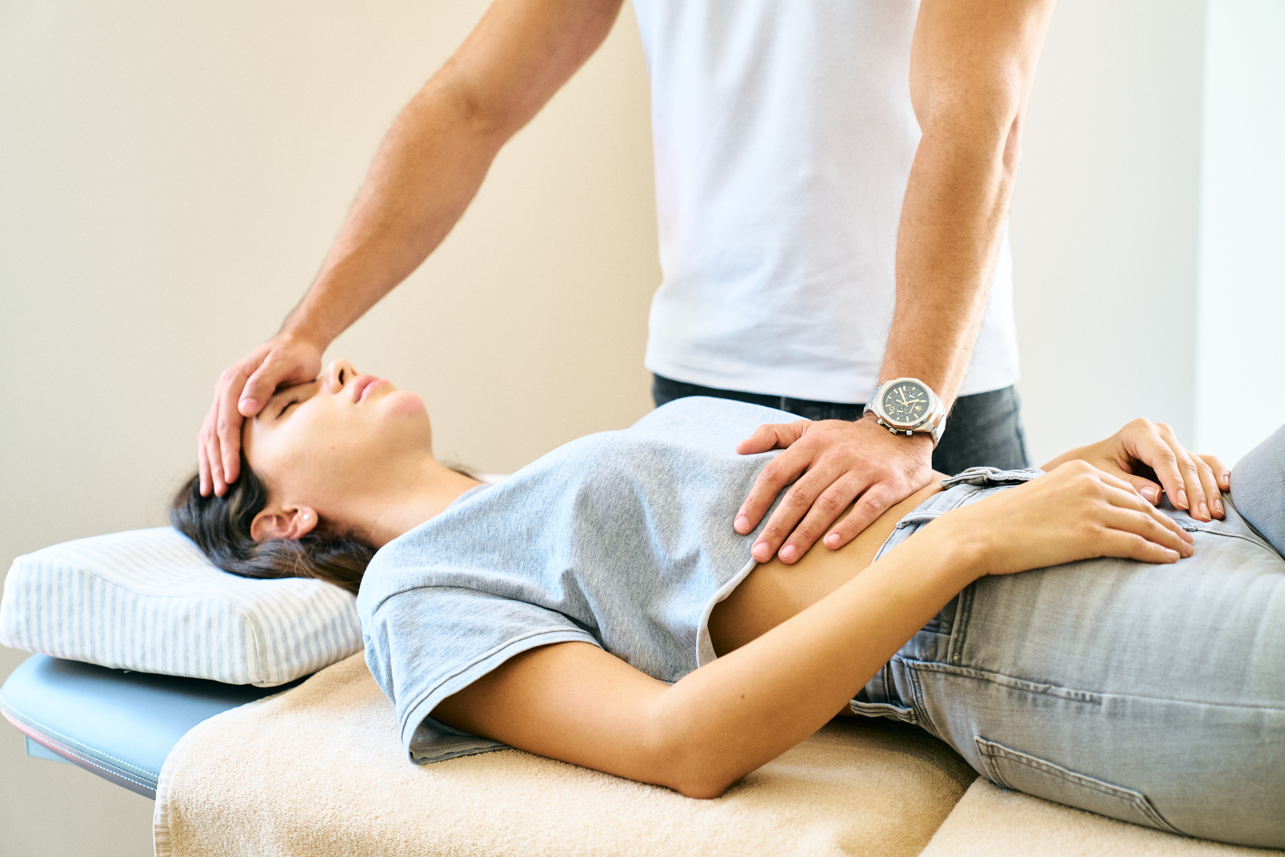
Physical function, your ability to move well, perform daily tasks, and live independently, is at the heart of that. A strong, mobile, and pain-free body doesn’t just let you do more, it protects you from decline. Getting up off the floor, lifting a suitcase overhead, or taking a long walk without tiring out, may all seem like simple, mundane activities, but these are true markers of vitality. They’re also predictors of longevity. As we age, muscle mass, flexibility, coordination, and balance naturally decline, increasing risk of falls, injuries, and the loss of doing things by and for ourselves. With the correct training, you’re not just preventing problems, you’re expanding your health span. You’re giving your future self the precious gift of autonomy, which to some might be worth more than anything else.
- Cognitive Health: Staying Sharp to Stay Engaged
A long health span depends on your brain working just as well as your body. Cognitive decline can start subtly, like standing in the middle of the kitchen and forgetting why you even walked in, but its consequences are profound. Protecting your mental faculties, such as your memory, attention, learning ability, and decision-making, is central to maintaining independence and quality of life. But cognitive, or ‘brain’ health isn’t just about doing crosswords or solving rubix cubes. Sleep, nutrition, physical activity, and social connection all have powerful effects on cognition. Movement increases blood flow to the brain, sleep consolidates memory, and meaningful relationships stimulate neural networks. Cognitive resilience allows you to keep learning, adapting, and participating fully in life.
- Emotional Well-being: The Invisible Backbone of Healthspan
Often overlooked, emotional well-being is one of the most important determinants of a long and fulfilling health span. Chronic stress, loneliness and lack of purpose don’t just impact mood, they can accelerate aging and increase the risk of various chronic diseases. Conversely, strong relationships, a sense of meaning and the ability to find joy in any and all things, have protective effects on both the brain and body. They influence everything from hormone levels to immune function to heart health. Tenacity, optimism, and emotional balance make a tangible difference in how we experience life and aging.
The Real Goal: Prolonging Vitality
The ideal scenario: to live with strength, clarity, and independence for as long as possible, with only a brief decline toward the very end. Prolonging vitality by minimizing the gap between the end of your health span and the end of your lifespan. Our aim should never be to just stretch life out; we should aim to shift vitality further along the timeline and as far into older age as we can. That’s the sweet spot: a life that’s long and full of energy, meaning, and joy.
Modern healthcare has done a great job at learning how to prevent or delay death, but in the process, forgot how to preserve life. It focuses on treating diseases instead of promoting health, resulting in a generation of people who survive longer, but not necessarily better.
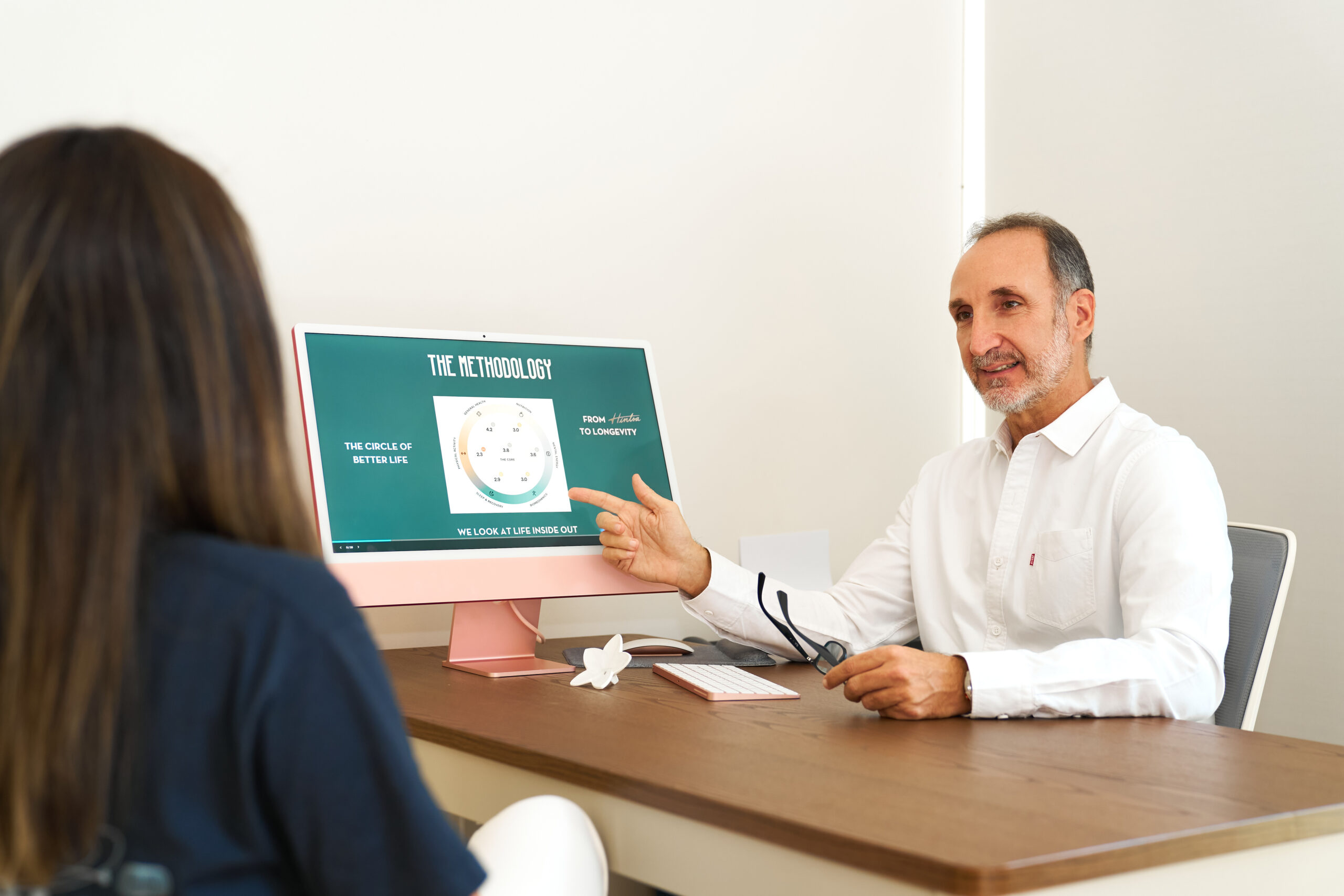
The Flow Space Intervention
At Flow Space Wellness Polyclinic in Dubai Hills, it is our mission, our duty, but also our desire, to help you preserve the three essential pillars of a long, high-quality life, as mentioned above:
- Physical Function – Our services address injury prevention, rehabilitation, and long-term movement health through:
Sports Physiotherapy (injury assessment, post-surgical rehab, gait analysis)
Personal Training (strength, mobility, body composition analysis, VALD performance assessment)
Sports Medicine (VO2 Max, RMR, ECG stress testing, intra-articular injections, PRP) - Cognitive Health – We support sharper thinking, better memory, and mental clarity through services that nourish the brain and body, such as:
Integrated & General Medicine (blood testing, food intolerance testing, genetic testing)
Holistic Therapy (nervous system regulation, guided meditation, lymphatic drainage)
Performance & Lifestyle Coaching (personalized health plans, sleep optimization)
VO2 Max & RMR testing (to enhance oxygen efficiency and brain performance) - Emotional Wellbeing – Our therapies help you reset, reconnect and relax, with:
Manual Therapy & Holistic Treatments (Japanese Ito-Thermie, leg compression)
Mind-Body Programs (self-hypnosis, guided meditation, sound healing)
Women’s Health (pregnancy & postpartum support, pelvic floor therapy)
In the End: Longevity Is About Outliving Your Limits
Vicki Corona said, “Life is not measured by the number of breaths we take, but by the moments that take our breath away.” If this is true, then Longevity is certainly more than just a number, it’s a way of living. It’s not just about adding years to your life, but life to your years.
When you protect, nourish and nurture all of yourself – your body, mind, spirit as well as your relationships, you learn how to longer, but more importantly – better. That’s the kind of longevity worth pursuing. Let’s pursue it together.