


The Rubber Band Principle: Why Mobility Beats Flexibility Alone
You stretch regularly. You foam roll when you’re sore. You’ve even taken up yoga. But your body still feels as stiff as a plank… What gives??
The problem might not be your flexibility. It might be your mobility.
These two words get tossed around interchangeably all the time, but they’re not exactly the same, and the difference matters more than you think. Whether you’re a big, bulky lifter or a yogi that can pretty much fold themselves in half; whether you’re recovering from an injury or stuck sitting at a desk all day, knowing what to train, and how, can help you move better, feel better, and reduce chronic tightness and pain for good.
Flexibility: How Far You Can Go
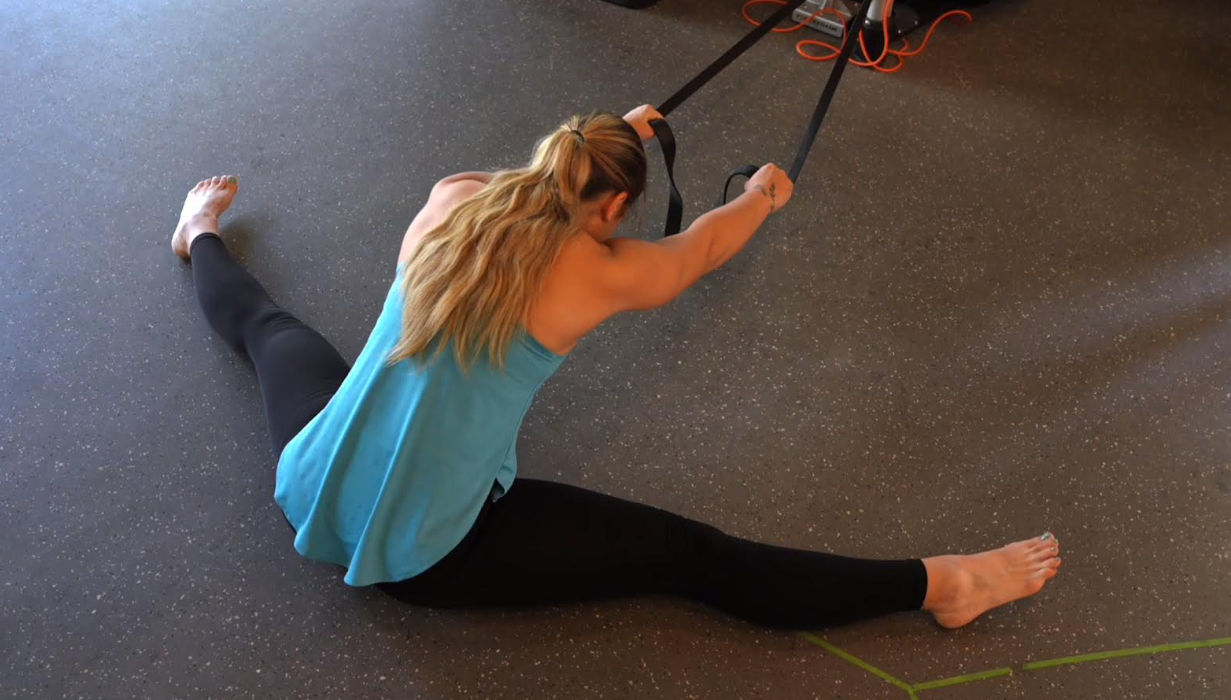
Think of your body like a rubber band. Flexibility is how far that rubber band can stretch, or in this case, how far a muscle or joint can be moved when assisted by gravity, a strap, or even another person. It’s your body’s passive range of motion.
Examples of flexibility in action could be lying on your back and using a strap to pull your leg into a hamstring stretch after a run or leaning into a side bend or chest opener during a hot yoga session.
Flexibility is useful, for recovery, posture, and relaxation, to name a few. It helps relieve tension and allows tissues to lengthen without strain. But passive range alone won’t translate to better movement if your muscles can’t control that range on their own. As they say, with great power comes great responsibility!
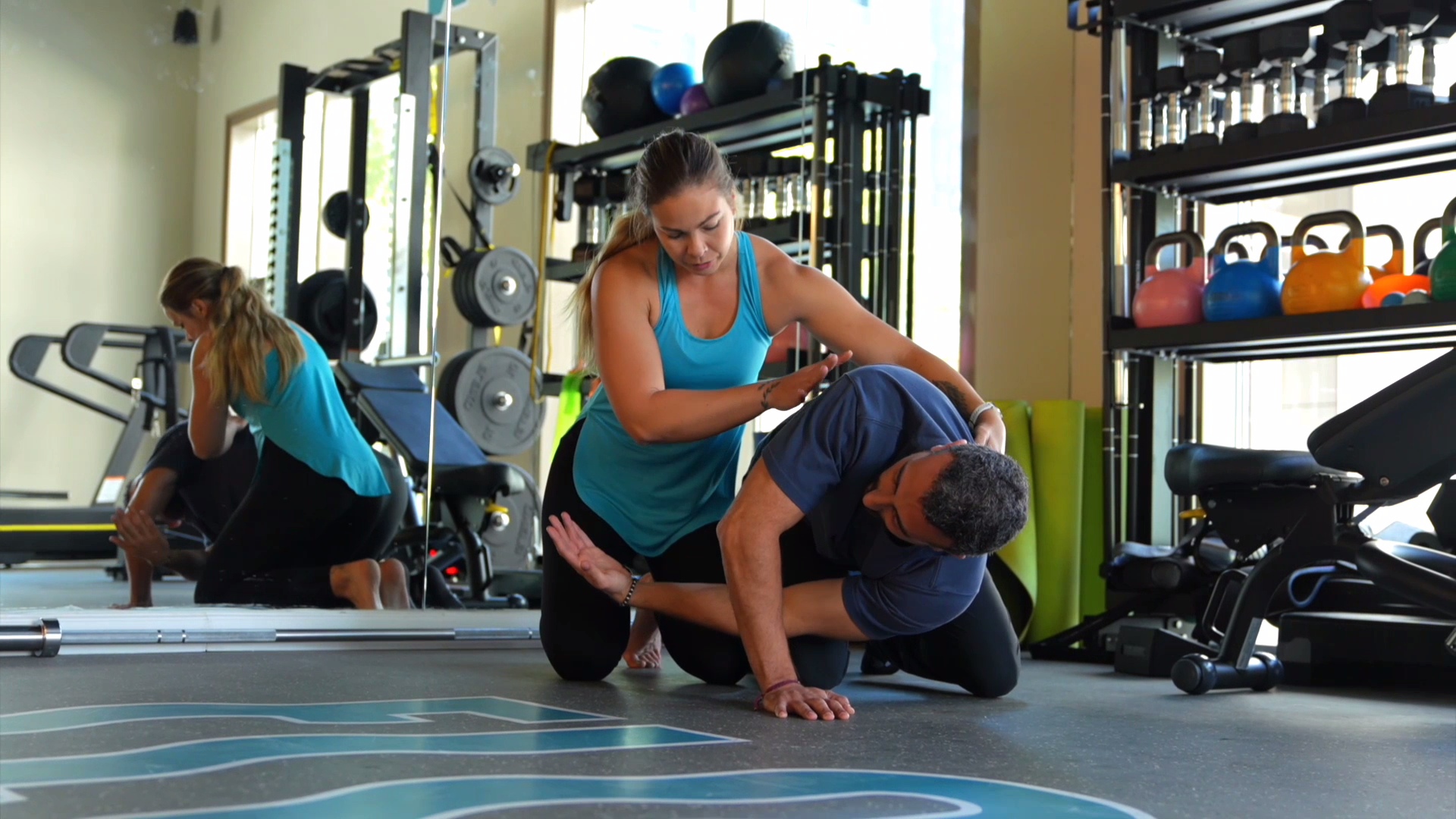
FYI – Assisted stretching can be an absolute game-changer, and is definitely something to look into, especially if that plank comment resonated deeply with you!
Mobility: How Well You Can Move When You Get There
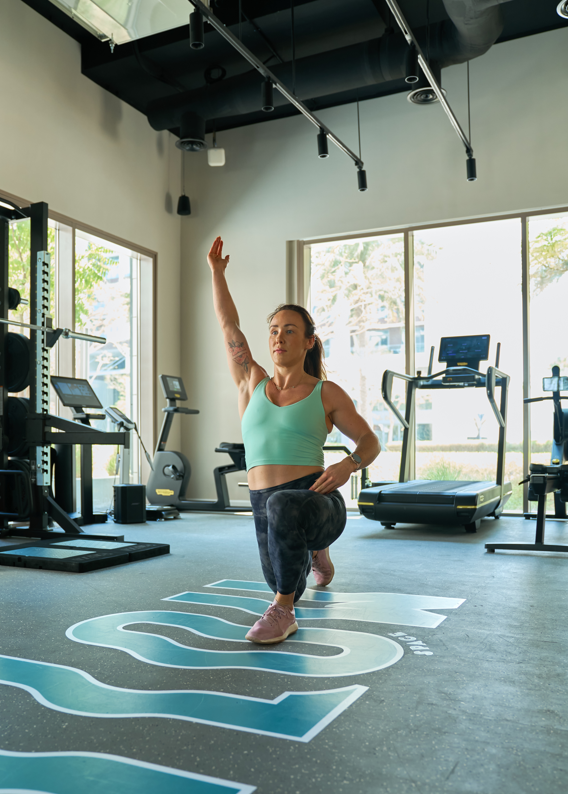
Mobility is your active range of motion; once that rubber band is stretched to maximum capacity, how far and how well you can move it (or a joint of the body) under your own control. It’s not just about reaching a position; it’s about moving through that range smoothly, safely, and with strength.
Examples of mobility in action could be raising your arms overhead without arching your spine or squatting deeply whilst keeping your heels flat on the ground.
Mobility does however come with a few more requirements, such as strength at end ranges, joint stability, neuromuscular control, as well as a nervous system that knows how to trust your movement patterns. But with all this in place, you can allow your body to take full advantage of the range provided by flexibility, not only during exercise or sport, but in real life activities.
Why the Difference Matters
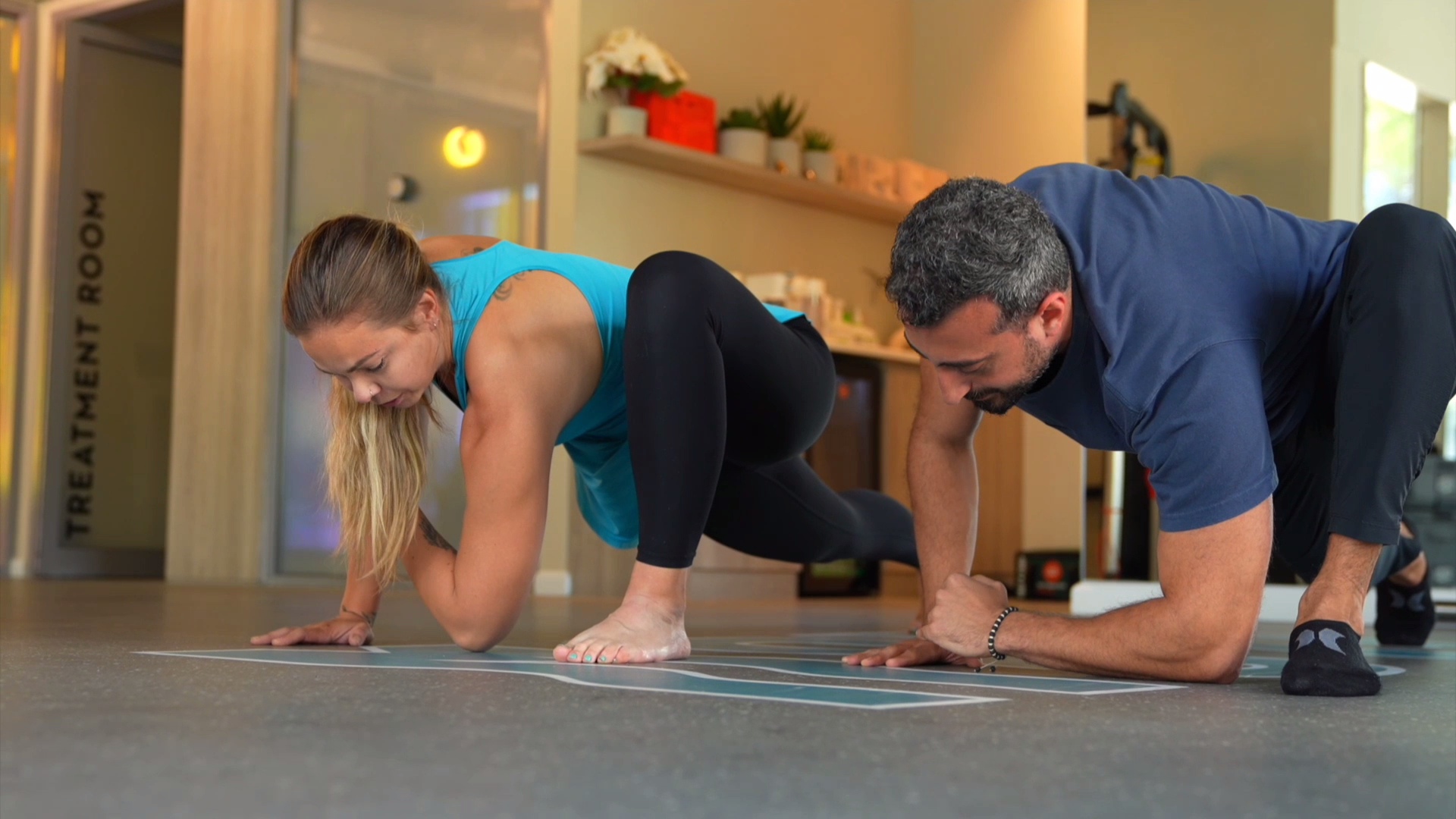
Flexibility should not be the main (or only) goal, as it often is. You can be flexible and still move like a door in desperate need of oil, making mobility the likely missing piece in most modern routines, especially for people who lift weights, train hard, or sit for long periods.
Benefits of mobility include:
- Injury prevention: By reducing compensations and overload
- Performance: By strengthening control in deeper ranges for power and movement efficiency
- Posture: By keeping joints stacked where they belong (i.e. hips, shoulders & spine)
- Independence with age: By maintaining smooth and safe movement for daily tasks
But don’t be mistaken; mobility isn’t just for athletes. It actually becomes essential for everyone when getting older. Flexibility tends to decline with age, however, the bigger issue is joint control and usable range.
Without mobility:
- Movements become jerky, limited, or painful
- Balance and fall risk increase
- Common tasks (getting off the floor or rotating in a car seat) become harder
- Compensations lead to back, neck, and knee pain
But with mobility:
- Maintain independence
- Improve gait and coordination
- Reduce stiffness from arthritis or sedentary lifestyle
Easy movement = easy (and happy) life!
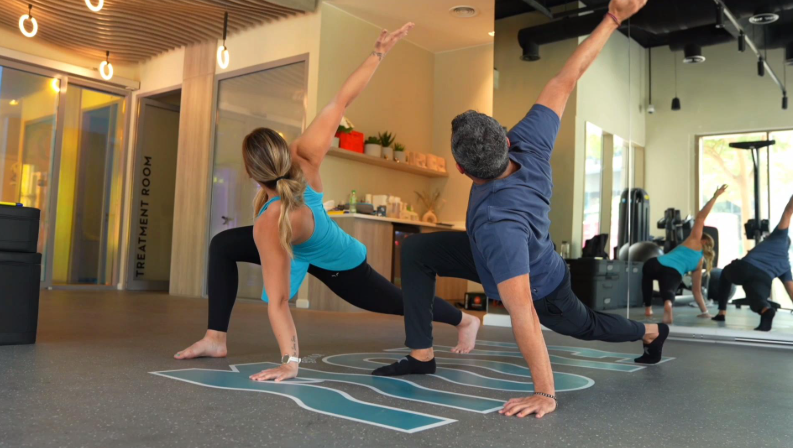
Flexibility vs. Mobility: The Takeaway
Flexibility gives you the keys. Mobility gives you the ability to drive. And what good is a flashy red Ferrari if you can’t take it out of the garage for a spin!
Stretching is beneficial, but it will never be enough. You need smart movement, strength, and control to allow your body to move freely, smoothly and without pain, and not only now, but for a lifetime.
If you’re ready to ditch the ‘stiff-as-plank syndrome’, but you’re not sure how to do it or where to even start – try here, at The Flow Space. With our guided mobility classes, or one-on-one sessions, all under the careful supervision and instruction of a coach who already knows (so you don’t have to figure it out) you can discover and start moving in a body that is freer than ever before.
Recent Posts
Categories
Posted In Biomechanics, Flow Team, General Health, Holistic Body Work, Physiotherapy, Sports Medicine
Posted On 29 October 2025